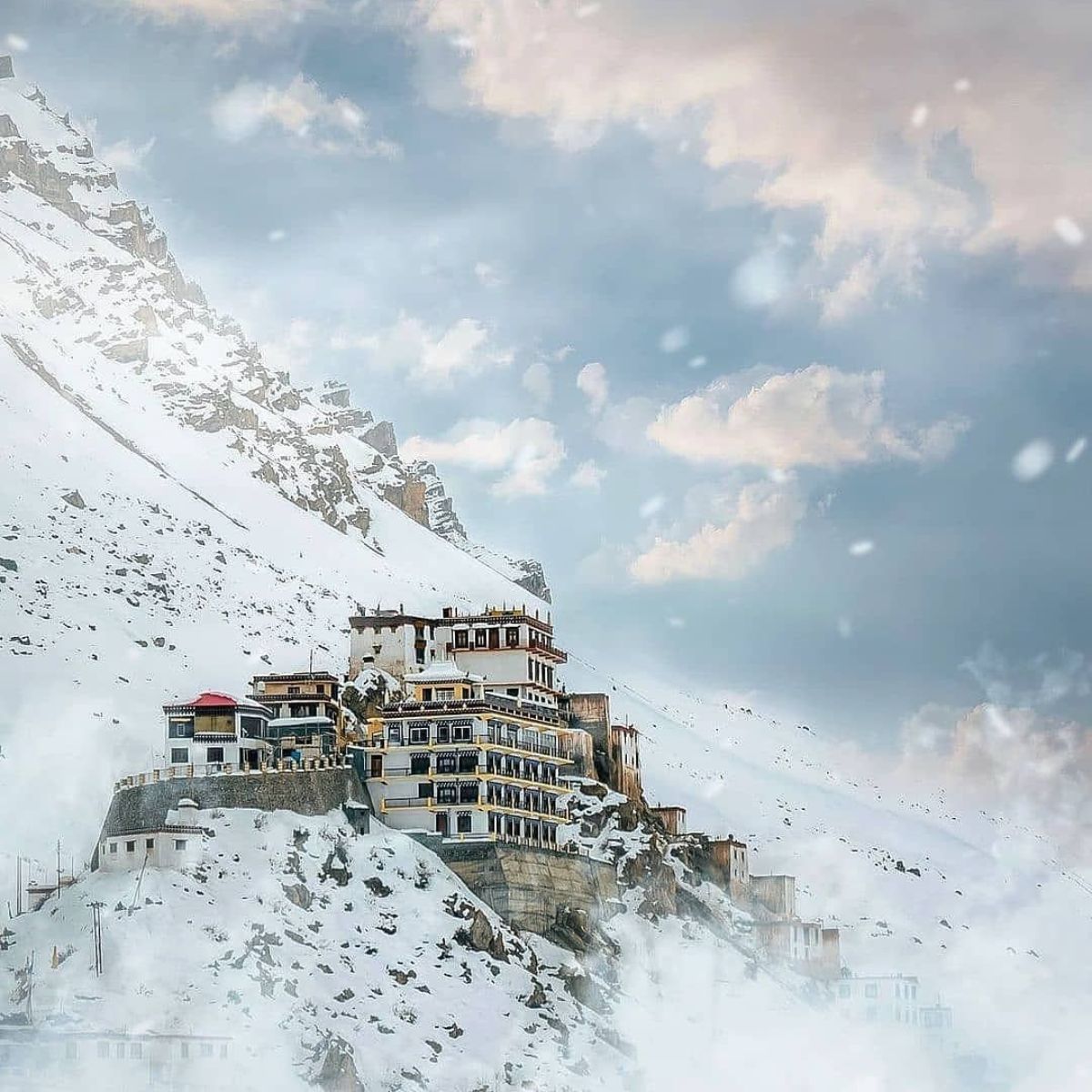
Spiti Valley Tour Packages — Explore the Realm of the Middle Land
Step into a world of raw alpine landscapes, ancient Tibetan folklore, and breathtaking high-altitude terrain with The World Travel. Our thoughtfully crafted Spiti Valley tour packages invite you to experience the untamed spirit of Himachal Pradesh’s cold desert. Nestled between Tibet and India, Spiti is a sanctuary for thrill-seekers, cultural enthusiasts, and nature lovers alike. From navigating dramatic mountain passes to soaking in the quiet charm of remote villages, our itineraries offer a seamless blend of adventure, comfort, and local immersion across iconic destinations like Kaza, Key Monastery, Tabo, Dhankar, Chandratal Lake, Langza, Hikkim, Komic, and the lush stretches of Pin Valley.
Whether you are seeking an adrenaline-pumping Spiti Valley bike trip package, a peaceful retreat with our tailored Spiti Valley family tour packages, a romantic getaway, or a solo backpacking expedition, we design travel plans to match your exact pace and style. Enjoy effortless connectivity with flexible starting points—book your Spiti Valley tour from Delhi, Chandigarh, Shimla, or Manali and let our mountain travel experts handle all the logistics, permits, and stay arrangements for you.
A comprehensive Lahaul–Spiti tour with us is more than just a sightseeing trip; it is an overland journey through some of the world's most dramatic topographies. Adventure enthusiasts can take on the iconic Spiti Valley road trip via the treacherous Kunzum Pass or the scenic route alongside the Sutlej and Spiti rivers. Experience authentic Himalayan hospitality through handpicked local homestays, interact with warm local communities, and absorb the serene vibes of centuries-old Buddhist heritage without any hassle.
Every itinerary is packed with bucket-list highlights. Wander through historic spiritual sanctuaries such as Key Monastery, Tabo Monastery (the Ajanta of the Himalayas), and the cliff-hanging marvel of Dhankar Monastery. Marvel at the turquoise expanse of Chandratal Lake (The Moon Lake), hunt for prehistoric marine fossils in the high-altitude village of Langza, send a postcard to your loved ones from the world's highest post office in Hikkim, and dine at the highest motorable café in Komic. For nature enthusiasts, the vibrant landscapes and rare wildlife of Pin Valley National Park offer spectacular photo opportunities.
We believe world-class Himalayan adventures should be both safe and accessible. Our Spiti Valley tour cost from Delhi starts competitively at ₹12,999 per person, inclusive of reliable transport, comfortable accommodations, experienced mountain drivers, and daily meals. Safety remains our highest priority, which is why we incorporate proper acclimatization schedules, oxygen support, and certified local guides who know the terrain inside out.
Choose from a wide variety of travel routes customized for different durations:
- 7-Day Spiti Valley Tour Package: Perfect for travelers looking for an action-packed week covering the main circuit highlights.
- Classic Manali to Spiti Circuit: Ideal for summer road trips passing through the famous Atal Tunnel and Kunzum Pass.
- Full Shimla to Manali Overland Expedition: The ultimate road trip experience allowing gradual altitude adjustment along the Trans-Himalayas.
- Leh–Ladakh with Spiti Combined Tour: A mega grand trail designed for hardcore road trippers wanting the ultimate Himalayan adventure.
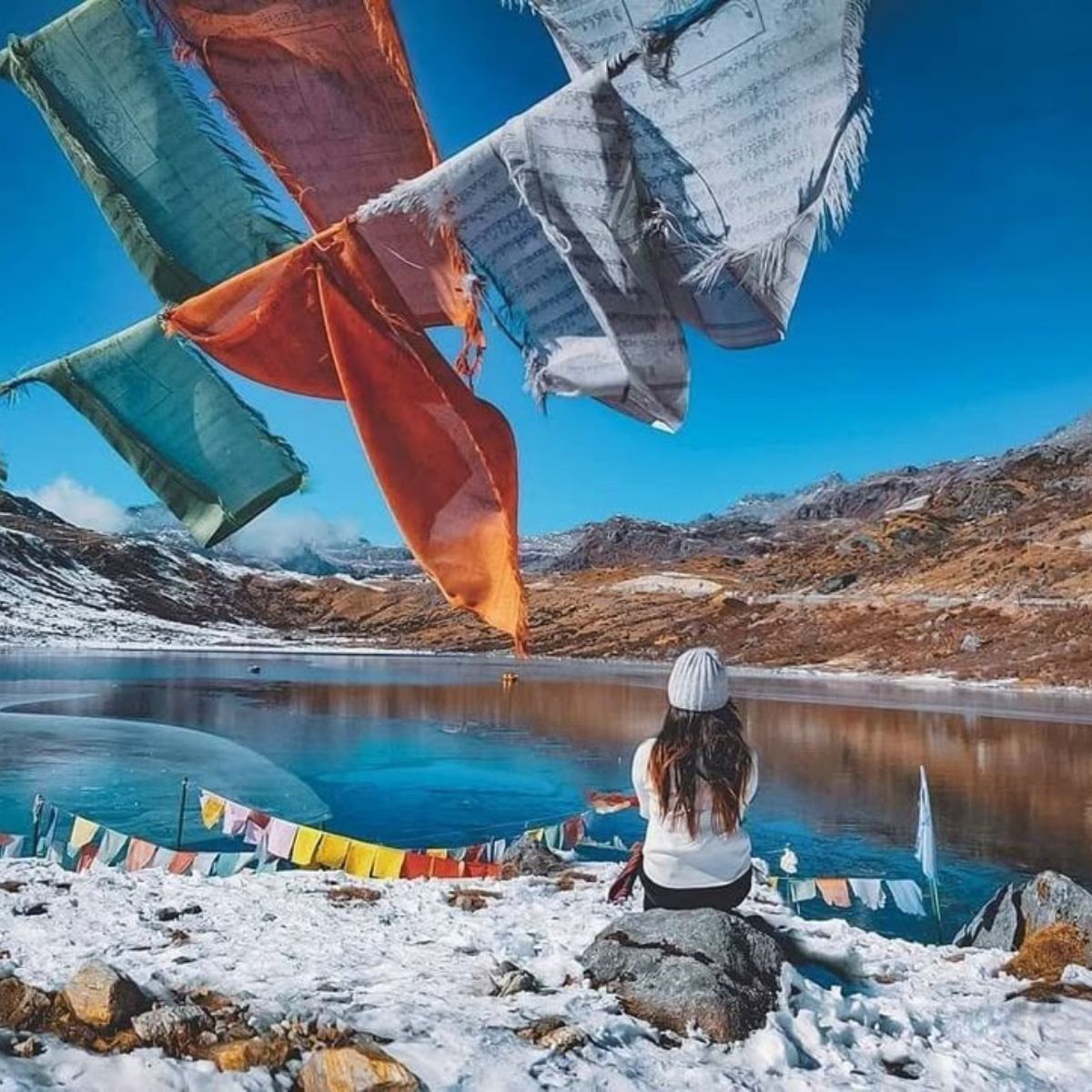
Best Time to Visit Spiti Valley: The travel season is divided into two unique experiences. May to October is the prime season, featuring clear skies, open mountain passes, pleasant daytime temperatures, and easy access to Chandratal Lake. Conversely, November to March opens up the legendary Winter Spiti Expedition, where temperatures drop well below freezing, rivers freeze over, and snow lovers get a rare chance to spot the elusive Snow Leopard amidst frozen white landscapes.
Top Things to Do on Your Spiti Trip:
- Camp under a blanket of a million stars near the sparkling waters of Chandratal Lake.
- Drop a physical letter at Hikkim's world-record post office (14,567 ft).
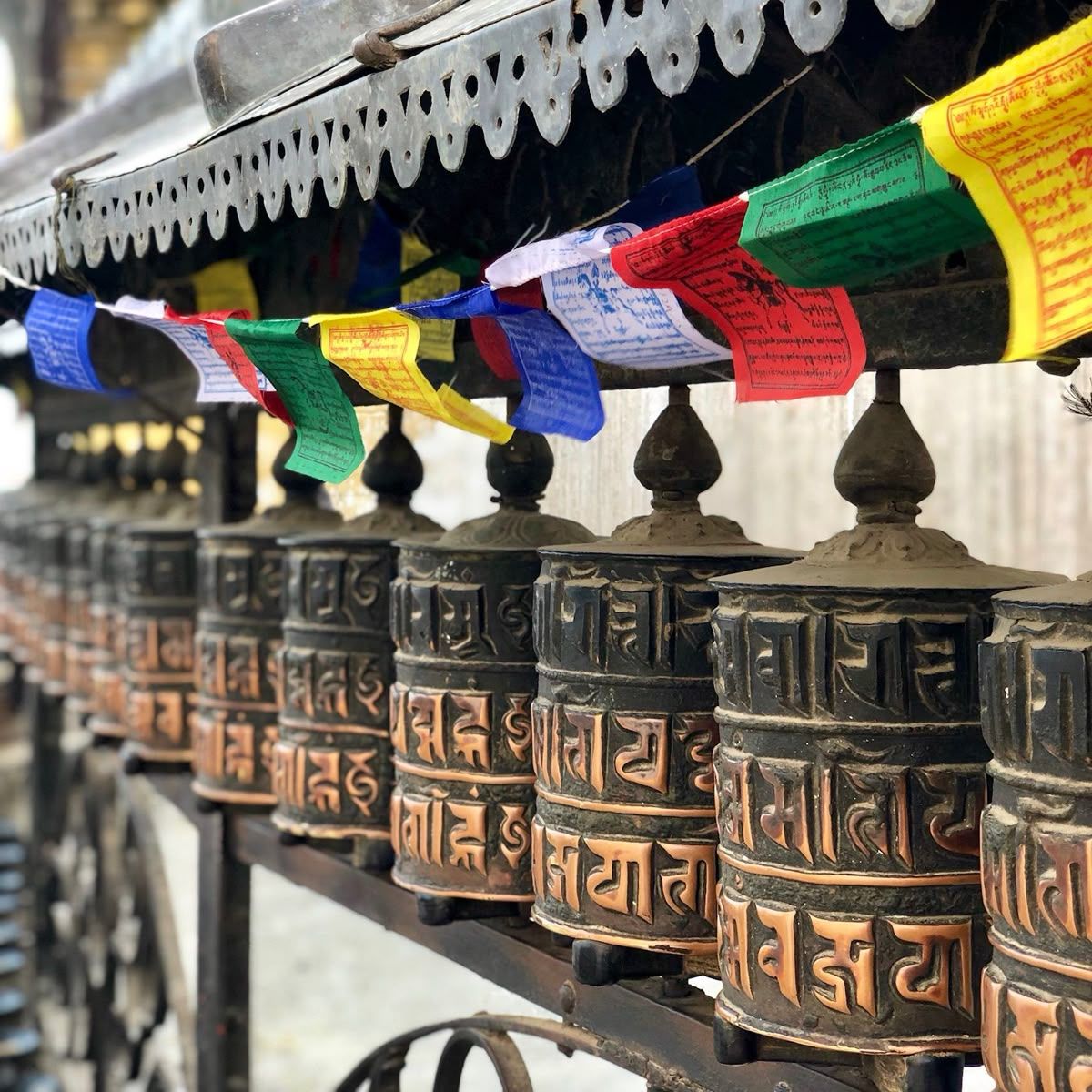
- Spin prayer wheels and attend morning chants with monks at Key and Tabo Monasteries.
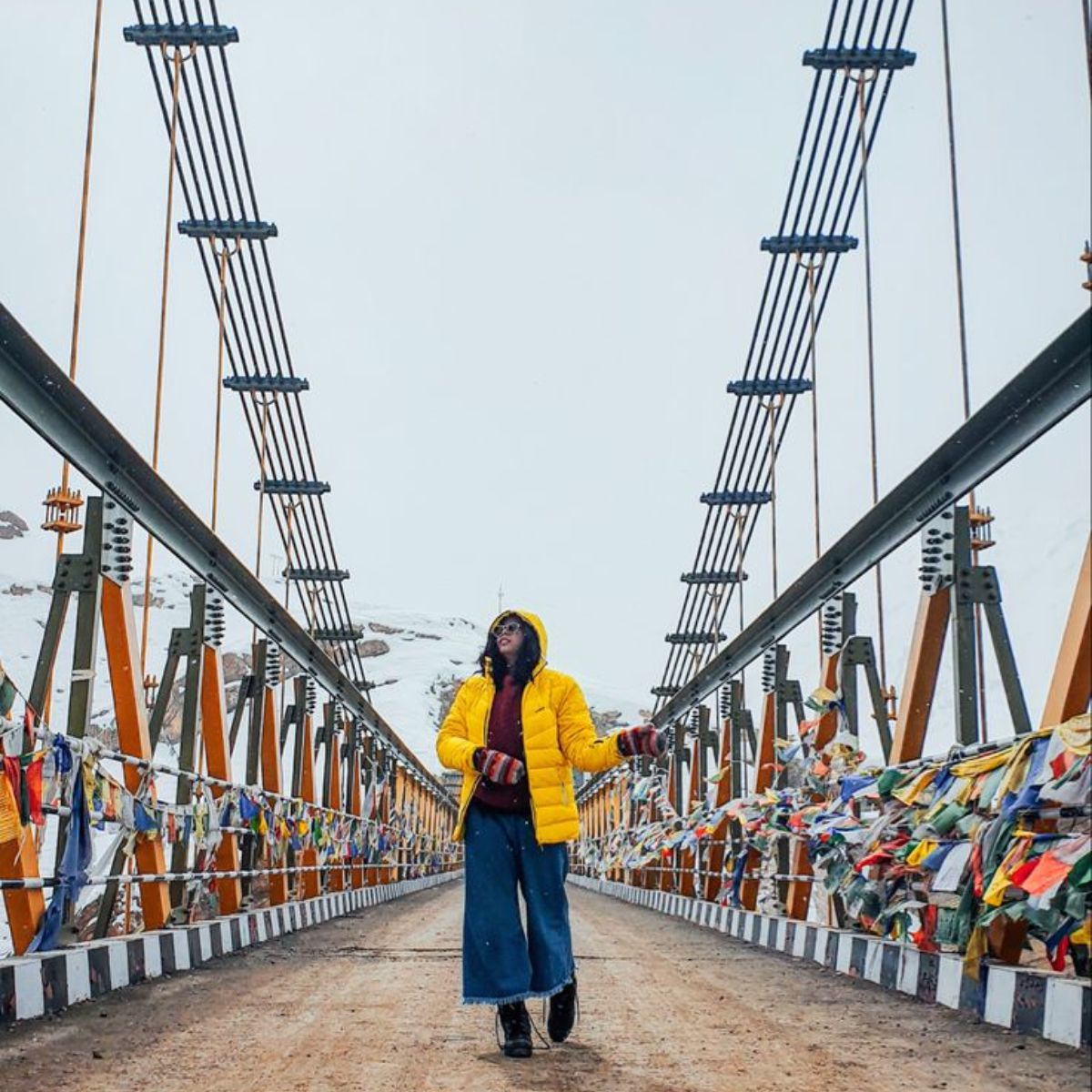
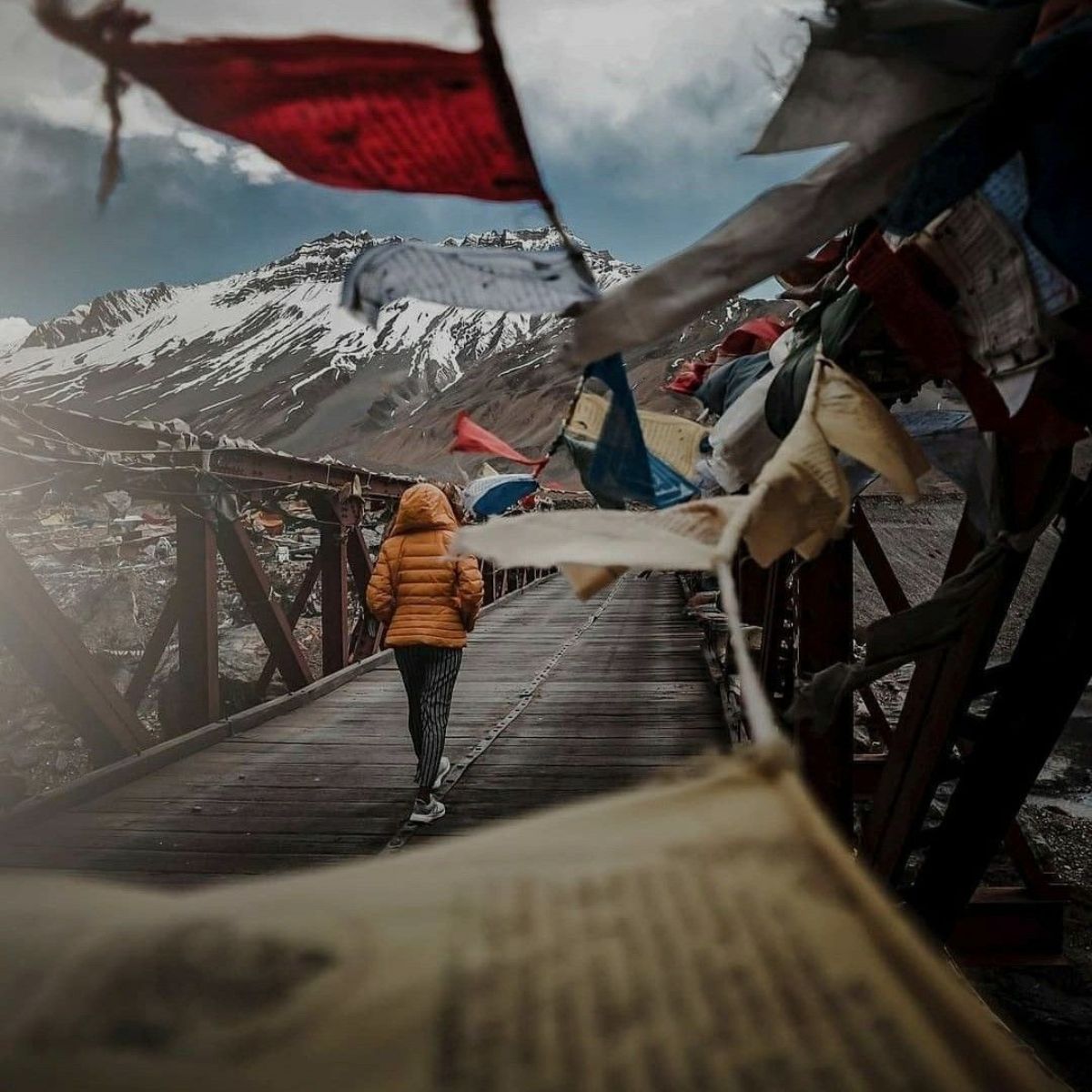
- Trek across high-altitude trails, vibrant mountain streams, and suspension bridges.
- Capture stunning astrophotography, milk-way shots, and low-light nightscapes due to zero light pollution.
- Savor authentic Himalayan meals like Thukpa, Butter Tea, and Siddu at local village homestays.
How to Reach Spiti Valley:
By Road: The most popular way to reach Kaza is by road. You can choose the Shimla–Kinnaur route (open year-round with gradual ascent) or the Manali–Rohtang–Kunzum route (open seasonally from June to October).
By Air: The nearest airport is Kullu–Manali Airport in Bhuntar. From the airport, you can easily hire private taxis or join our predefined group pickup tours to Spiti.
By Train: Major broad-gauge railway stations include Chandigarh, Kalka, and Pathankot. From there, scenic highway drives lead you straight into the heart of the valley.
Spiti Valley Tour Highlights with The World Travel
- Unmatched High-Altitude Landscapes: Journey through the dramatic terrain of the cold desert, featuring barren canyons, windswept valleys, and authentic Himalayan hamlets that offer a step back in time.
- Iconic Landmarks & Spiritual Hubs: Visit world-renowned attractions including the ancient Key Monastery, the 1000-year-old Tabo Monastery, the cliff-side marvel of Dhankar Fort, and the breathtaking turquoise waters of Chandratal Lake.
- Cultural Immersion in Remote Villages: Experience true Himachali hospitality in high-altitude villages—hunt for prehistoric marine fossils in Langza, post a letter at the world's highest post office in Hikkim, dine at the highest motorable village in Komic, and walk through the historic paths of Kibber.
- Thrilling Adventure & Overland Expeditions: Tailored for thrill-seekers with options for high-octane Spiti Valley bike trips, rugged 4x4 off-roading, riverbed camping, and scenic treks through Pin Valley National Park.
- Spectacular Mountain Views & Astrophotography: Soak in 360-degree views of snow-capped Trans-Himalayan ranges and experience zero-pollution night skies perfect for Milky Way stargazing and photography.
- Hassle-Free Stays & Expert Local Guides: Enjoy handpicked comfortable accommodations, including cozy local homestays and riverside camps, accompanied by seasoned mountain drivers and experienced certified guides.
- Tailored for Every Traveler: Specialized, safe, and flexible itineraries custom-designed for family vacations, solo backpackers, couple escapes, and group road trippers.
- Seamless Departure Options: Convenient, fixed-departure transfers and private pickups starting directly from major hubs like Delhi, Chandigarh, Shimla, and Manali.
- Transparent & Budget-Friendly Pricing: Premium travel experiences with an affordable Spiti Valley tour cost, no hidden charges, complete safety gear, and 24/7 route support.
- Authentic Local Experiences: Savor traditional Spitian cuisine (like Thukpa and Butter Tea), witness living Buddhist traditions, and cross high mountain passes like Kunzum Pass and Atal Tunnel.
Popular Spiti Valley Packages
Spiti Valley Popular Places
Discover striking ancient villages, historic monasteries, and stark Trans-Himalayan vistas. From the bustling market of Kaza to the serene moonlit waters of Chandratal, each destination seamlessly blends high-altitude adventure, rich Tibetan Buddhist culture, and raw natural beauty—turning your Spiti Valley trip into a lifetime memory.
Key Monastery – The Spiritual Gem of Spiti Valley
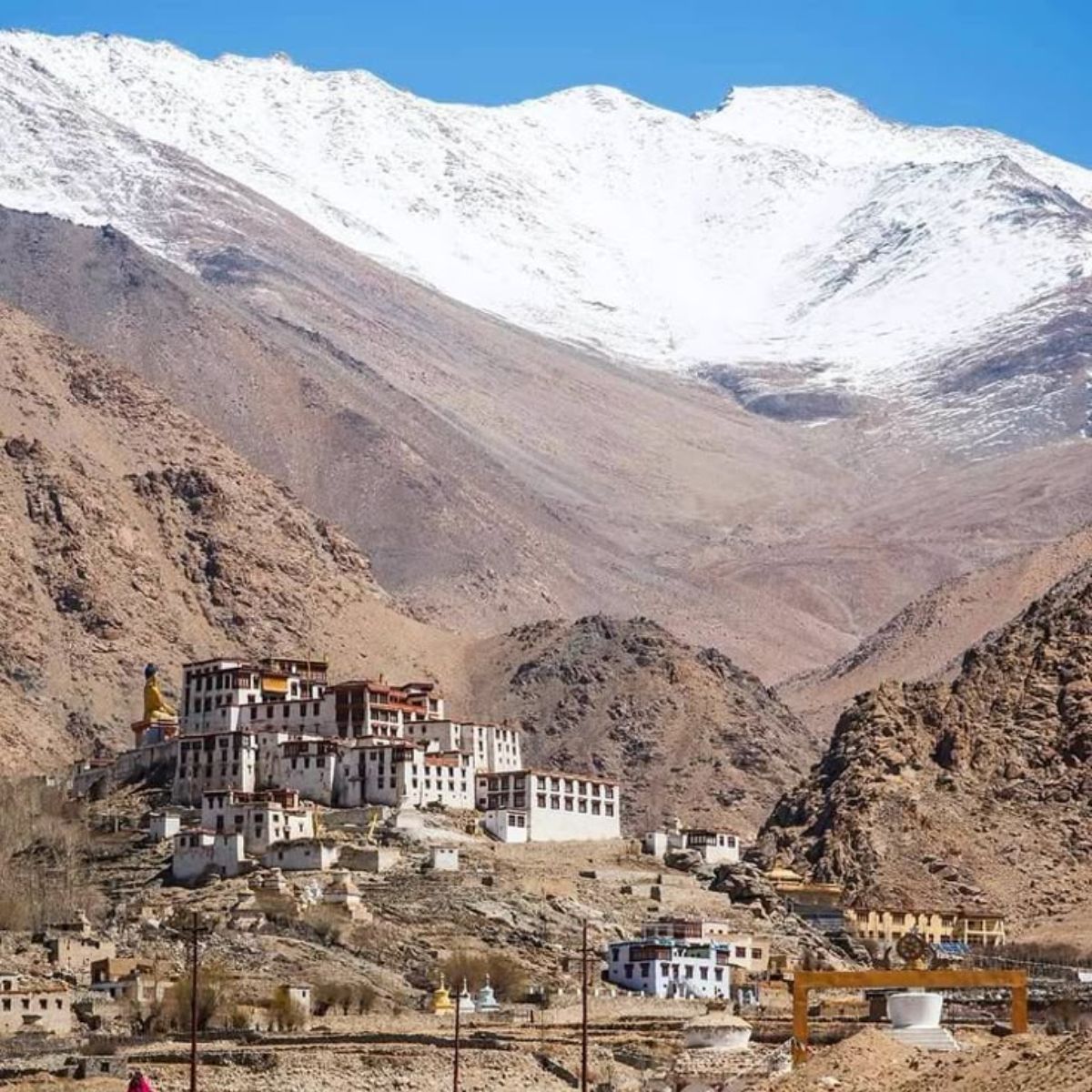
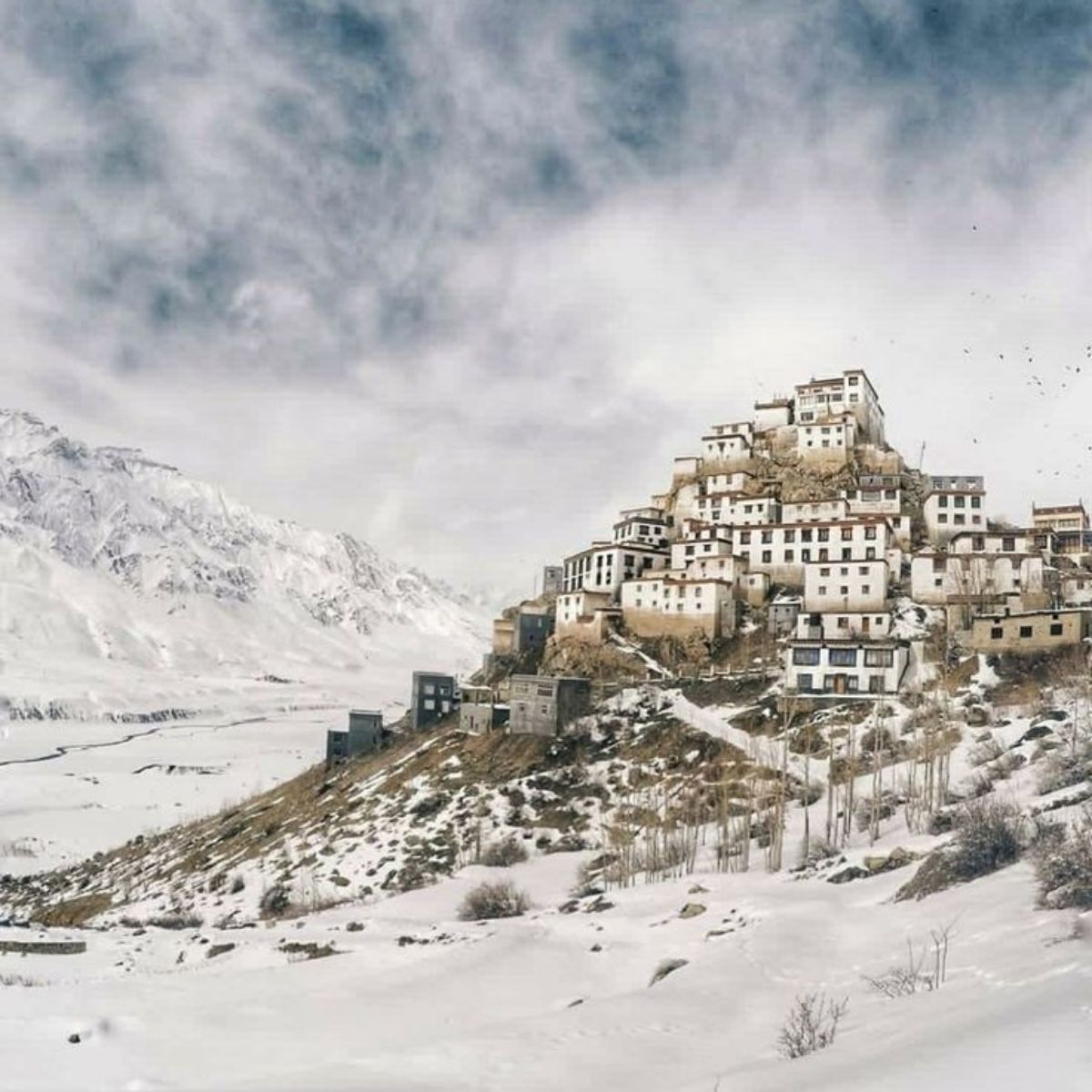
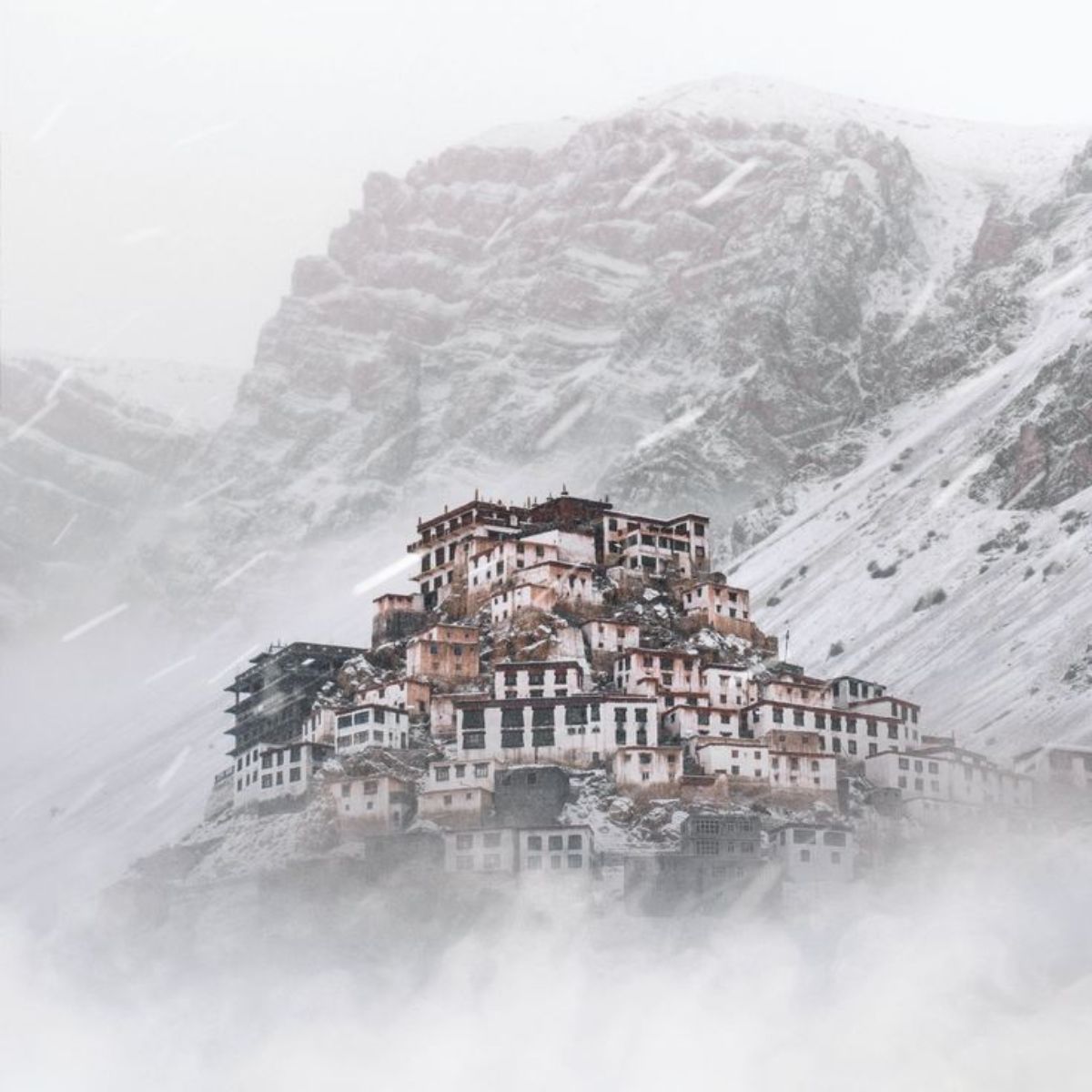
Key (Kee / Ki) Monastery, located near Kaza at an elevation of 4,166 meters, is Spiti Valley’s largest, oldest, and most iconic Tibetan Buddhist monastery. Perched dramatically atop a conical hill, this 1000-year-old fort-like monastery houses sacred murals, ancient thangkas, and rare manuscripts. An essential inclusion in every Spiti Valley tour package, visitors can interact with friendly monks, enjoy traditional butter tea, and capture panoramic high-altitude views of the Spiti River bed below. Whether you are on a focused Kaza tour or a full-circuit Spiti road trip, Key Monastery is a non-negotiable cultural stop.
Langza Village – Prehistoric Fossils and Golden Buddha Statue
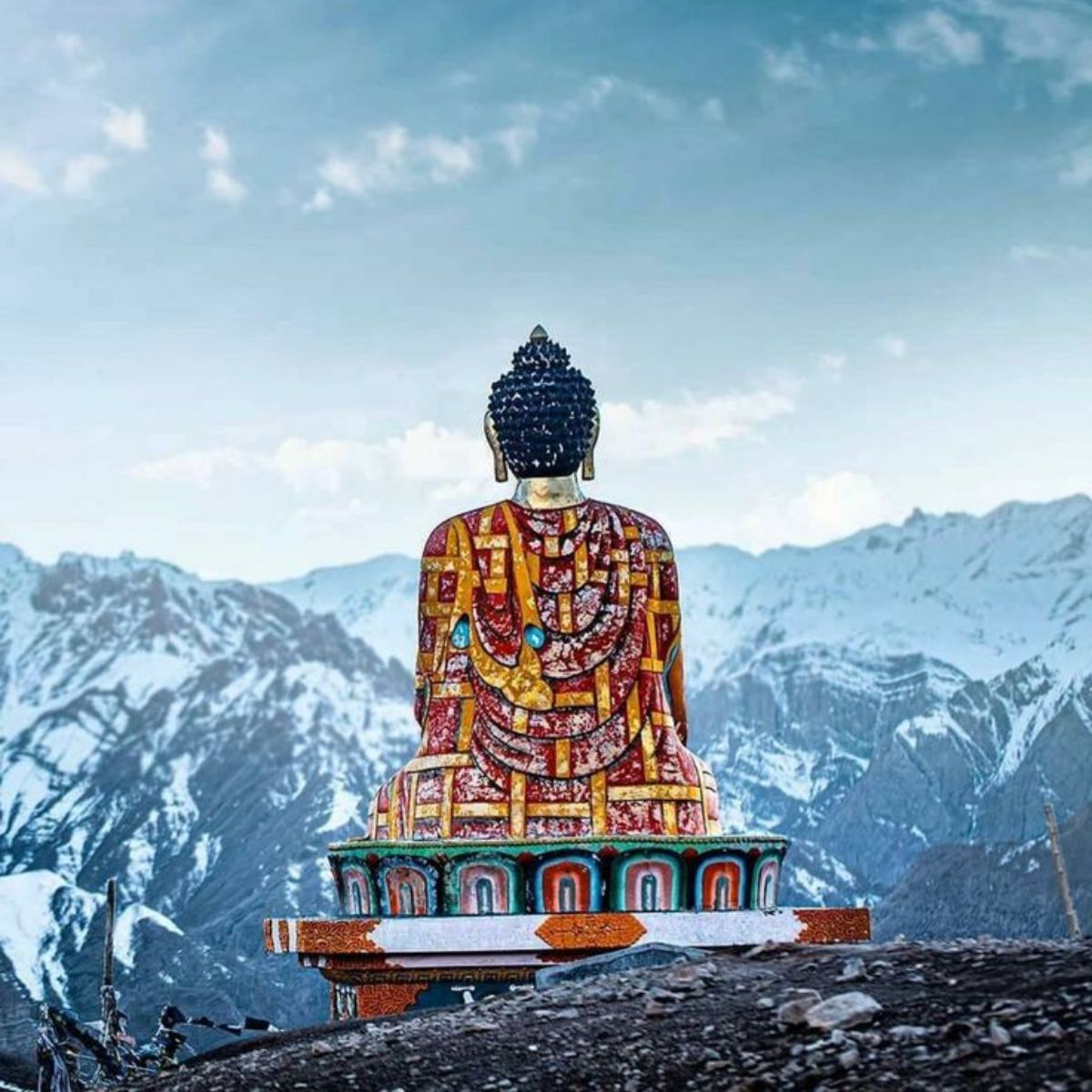
Known globally as the "Fossil Village," Langza sits gracefully under the shadow of the giant Mount Chau Chau Kang Nilda. This charming high-altitude hamlet pairs prehistoric intrigue with commanding views of snow-capped Himalayan peaks. Travelers can hunt for millions of years old marine fossils (Tethys Sea remnants) with local kids or admire the iconic, giant golden Buddha statue overlooking the valley. It is a dream destination for astrophotography, star-gazing, and cultural stays on any Spiti Valley itinerary.
Hikkim Village – Home of the World’s Highest Post Office
Situated at an astonishing altitude of 14,567 feet, Hikkim Village is a unique and famous tourist destination in the cold desert. The highlight here is visiting the world’s highest functioning post office. Travelers flock to Hikkim to buy handwritten postcards, stamp them with a historic seal, and mail them to their loved ones across the globe right from the heart of the Himalayas. A stop here adds a memorable, nostalgic experience to your Spiti Valley bike trip package.
Dhankar Monastery & Dhankar Lake – Cliff-Hanging Fort & Sacred Lake
Perched precariously over a razor-sharp cliff edge overlooking the confluence of the Spiti and Pin rivers, Dhankar Monastery delivers dramatic alpine vistas and deep meditative calm. Once the ancient capital of Spiti, it retains historic charm with its traditional mud-brick structures. A scenic 45-minute uphill trek from the monastery leads to the pristine Dhankar Lake, a sacred high-altitude water body ringed by snow-dusted summits—perfect for slow travel, nature photography, and quiet reflection.
Chandratal (Moon Lake) – High-Altitude Turquoise Paradise
Chandratal Lake, located near Kunzum Pass at 4,300 meters, dazzles travelers with its crescent shape, crystal-clear turquoise waters, and majestic mountain reflections. Renowned for luxury riverside camping, high-pass trekking, and zero-pollution stargazing, Chandratal is the hero attraction on all Spiti Valley tours departing from Delhi, Chandigarh, Shimla, or Manali.
Tabo Monastery – The Ajanta of the Himalayas
Founded in 996 AD, Tabo Monastery is one of India's oldest continuously functioning Buddhist monasteries and a UNESCO World Heritage candidate site. Famed for its breathtaking wall frescoes, exquisite stucco statues, and ancient scriptures, Tabo offers deep spiritual depth and artistic heritage. A visit here allows travelers to explore ancient meditation caves cut directly into the cliff faces.
Pin Valley National Park – Alpine Wilderness & Wildlife Trail
Pin Valley offers a striking contrast with its lush green landscapes, rushing river tributaries, and dramatic mud cliffs. As Himachal Pradesh’s only cold desert national park, it serves as a sanctuary for endangered high-altitude wildlife, including the Himalayan ibex, red fox, snow leopard, and rare Himalayan birds. It is an ideal hub for trekkers starting the famous Pin Parvati Pass or Bhaba Pass routes.
Komic Village – Highest Village Connected by Motorable Road
Elevated at 15,027 feet, Komic holds the distinction of being the world's highest village accessible by a motorable road. Home to the legendary 14th-century Lundup Tsemo Gompa (Komic Monastery), this remote village offers breathtaking views of barren Trans-Himalayan valleys. Don't forget to stop by the famous "World's Highest Cafe" in Komic for hot tea and traditional noodles while collecting your high-altitude travel certificate!
Kibber Village & Kibber Wildlife Sanctuary – Snow Leopard Haven
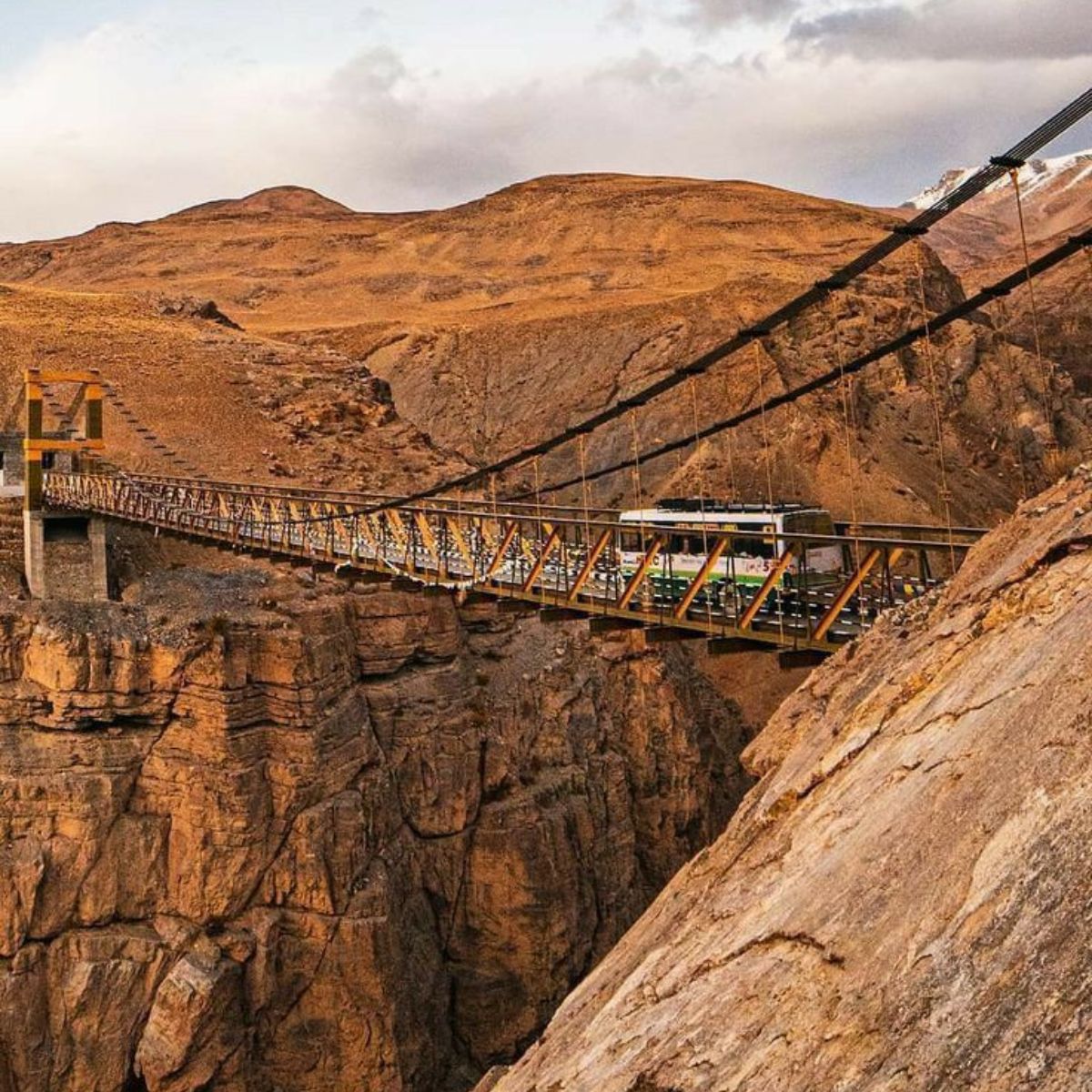
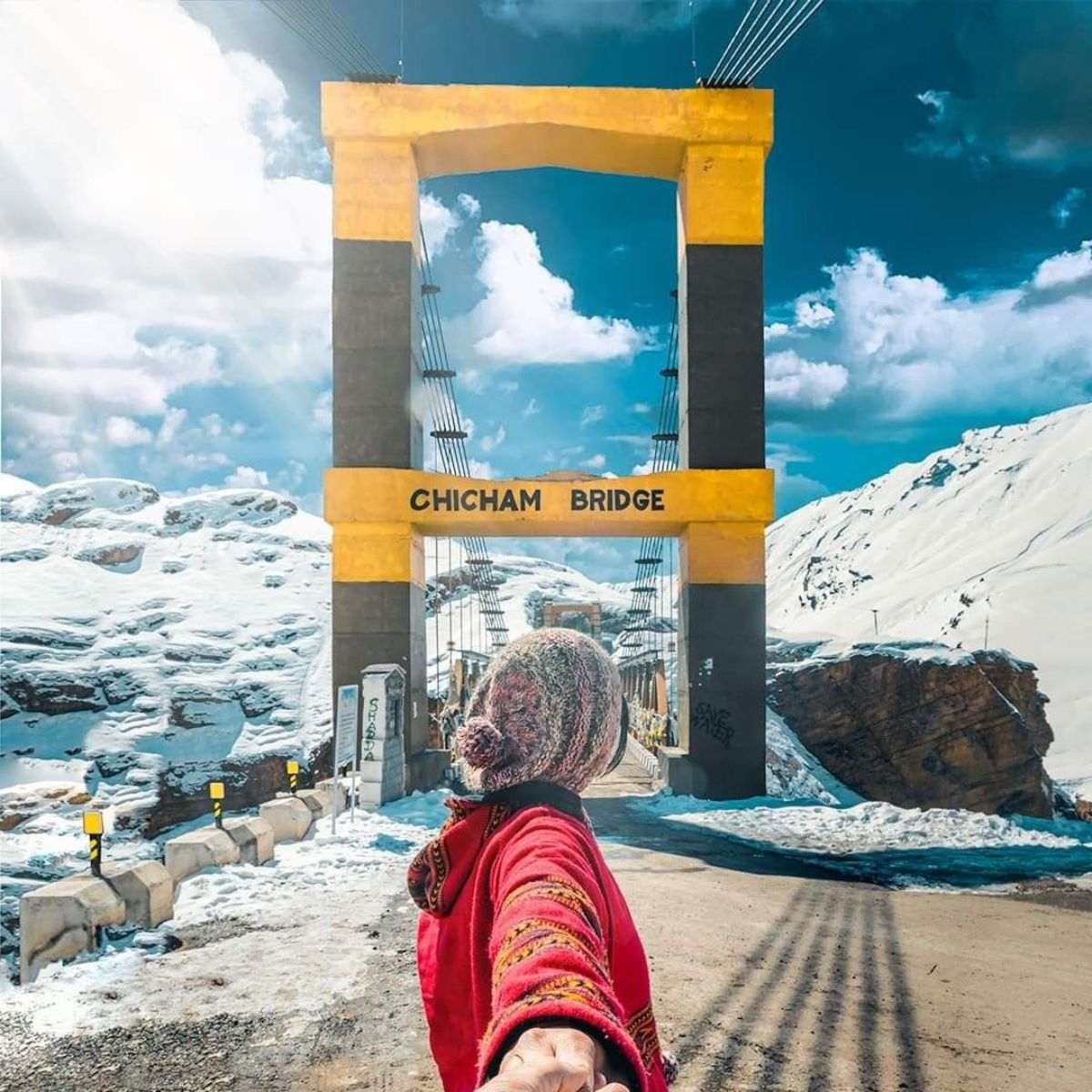
Sitting at 14,200 feet, Kibber is a serene village known for its distinctive white stone houses, scenic agriculture fields, and proximity to the famous Chicham Bridge (Asia's highest suspension bridge). Kibber is world-renowned among wildlife photographers as the primary base for Winter Spiti Snow Leopard expeditions, offering authentic homestays and guided wildlife tracking trails.
Kalpa & Nako Village – Gateway to Kinnaur and Spiti
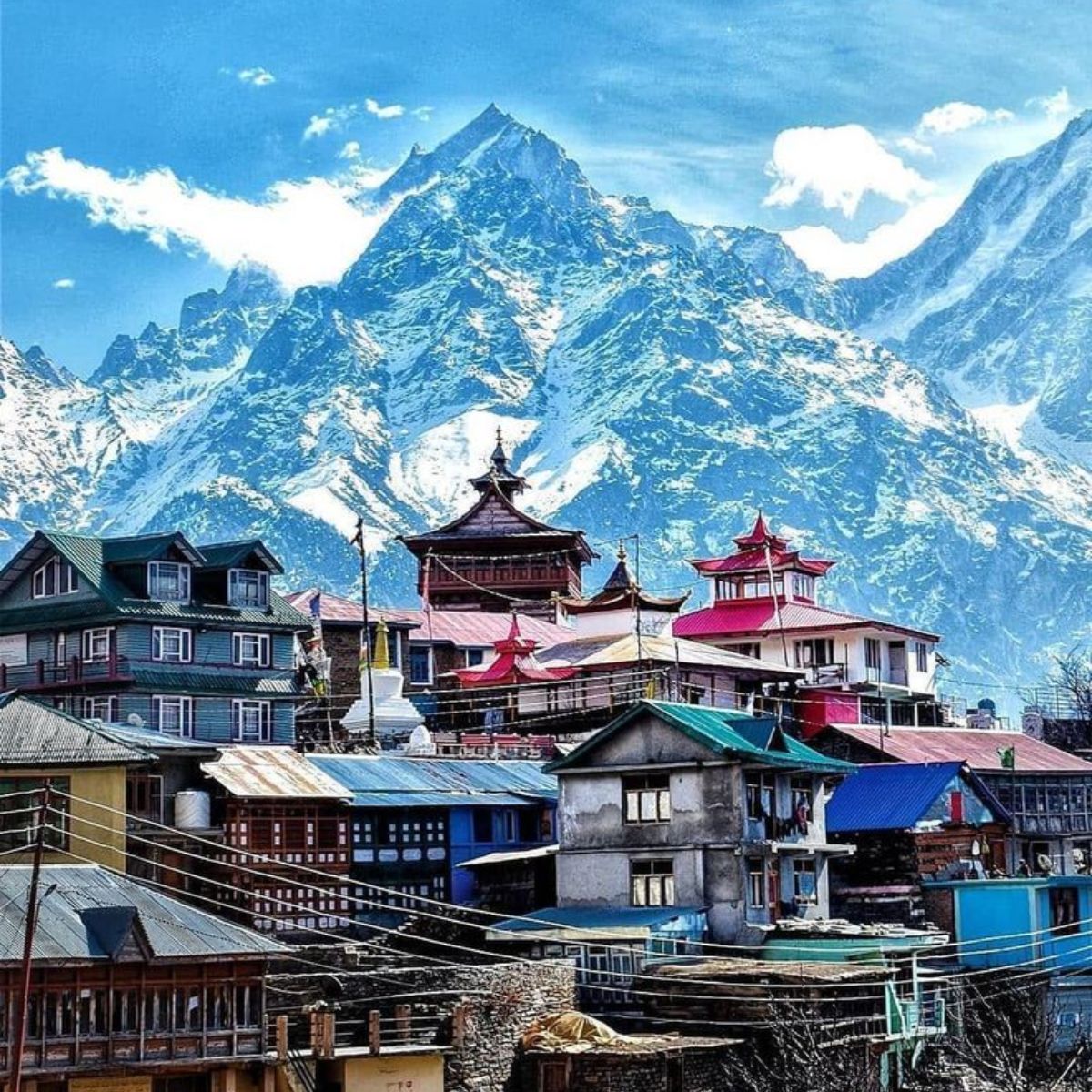
Serving as the scenic transition zone between Kinnaur and Spiti Valley, Nako features a serene alpine lake surrounded by willow trees and a 1000-year-old monastery. Nearby, Kalpa offers unrivaled close-up views of the sacred Kinner Kailash peak. Including Nako and Kalpa in your Shimla to Spiti road trip itinerary ensures smooth altitude acclimatization and stunning pine forest landscapes before entering the high cold desert.
Best Time to Visit Spiti Valley — Weather, Seasons & Road Status
The best time to visit Spiti Valley is during the summer and autumn months from May to October. During this peak travel season, high-mountain passes open up, weather conditions remain stable, and all major attractions including Chandratal Lake, Key Monastery, and Pin Valley are fully accessible for road trips, bike expeditions, and monastery tours. However, for extreme adventure seekers, the winter season from November to March offers a thrilling frozen-desert experience.
May to June (Early Summer & Season Opening)
- Road Accessibility: The Shimla to Kaza route opens completely by May. The iconic Manali to Kaza route via Atal Tunnel, Batal, and Kunzum Pass typically clears and opens by late May or early June.
- Weather & Temperature: Pleasant daytime temperatures ranging between 12°C to 20°C, while night temperatures drop to around 3°C to 7°C.
- Trip Highlights: Crisp mountain air, melting snow corridors along high passes, blooming wild flora, and clear blue skies. Perfect for a peaceful Spiti Valley road trip before peak tourist rush.
July to August (Monsoon & Lush Greenery)
- Road Accessibility: Spiti itself falls in a rain-shadow zone and receives negligible rainfall. However, approach roads through Kinnaur and Manali face monsoon showers and occasional landslides.
- Weather & Temperature: Comfortable days with temperatures between 15°C to 25°C; night temperatures remain mild around 8°C to 12°C.
- Trip Highlights: The valley transforms with rare greenery along riverbeds. Dramatic cloud formations and swollen mountain streams make for spectacular landscape photography. Caution and buffer travel days are recommended due to weather-related road delays.
September to Mid-October (Autumn Prime — The Best Travel Window)
- Road Accessibility: All routes—including Shimla–Kinnaur and Manali–Kunzum Pass—remain fully operational with clear, dry roads.
- Weather & Temperature: Excellent weather stability with clear sunny days (10°C to 18°C) and chilly nights (−2°C to 5°C).
- Trip Highlights: Widely considered the absolute best time for a Spiti Valley bike trip. Golden poplars, crystal-clear turquoise waters at Chandratal Lake, zero cloud cover for stargazing, and vibrant local harvest festivals across villages like Langza and Kibber.
Late October to March (Extreme Winter & Snow Leopard Expedition)
- Road Accessibility: High passes like Kunzum Pass and Rohtang close down due to heavy snowfall. Kaza remains accessible only via the year-round Shimla–Kinnaur route (subject to temporary snow clearing).
- Weather & Temperature: Sub-zero winter climate. Daytime temperatures stay between −5°C to 5°C, while night temperatures plummet drastically from −15°C down to −30°C.
- Trip Highlights: The legendary Winter Spiti Expedition. Walk on frozen riverbeds, witness frozen waterfalls, stay in winter-ready heated homestays, and join guided tracking trails in Kibber Wildlife Sanctuary for a chance to spot the elusive Himalayan Snow Leopard.
Unmissable Things to Do in Spiti Valley
From adrenaline-pumping high-altitude adventures to soul-stirring spiritual journeys, Spiti Valley offers a playground of unique experiences for every type of traveler. Whether you are navigating rugged Trans-Himalayan mountain passes, connecting with local monastic communities, or gazing at a sky illuminated by millions of stars, here are the top activities to include in your Spiti Valley tour itinerary:
1. High-Altitude Trekking & Wilderness Camping
For outdoor and trekking enthusiasts, Spiti Valley offers some of the most rewarding high-altitude trails in India. Experience raw wilderness by embarking on popular treks such as the Pin Parvati Pass Trek, Bhaba Pass Trail, or the Dhankar Lake Trek. Spend your nights under the open sky in luxury tents along the tranquil shores of Chandratal Lake (The Moon Lake) or near the gushing waters of the Pin River. Camping amidst dramatic cold-desert terrain gives you an authentic taste of Himalayan adventure.
2. Ancient Monastery Circuits & Spiritual Cultural Trails
Immerse yourself in centuries-old Tibetan Buddhist heritage by exploring Spiti’s iconic spiritual sanctuaries. Take a guided cultural walk through the 1000-year-old Key Monastery, marvel at the ancient wall paintings and clay murals at Tabo Monastery (known as the Ajanta of the Himalayas), and visit the cliff-hanging fort of Dhankar Gompa. Participate in peaceful morning prayer chants with resident Buddhist monks, spin sacred prayer wheels, and learn about Trans-Himalayan monastic traditions firsthand.
3. Landscape, Village & High-Pass Photography
Spiti is a paradise for travel, landscape, and documentary photographers. Capture the stark contrast of stark brown barren mountains against the deep blue sky, dramatic riverbed braids of the Spiti River, and white-painted traditional mud-brick houses in high-altitude hamlets like Langza, Kibber, and Komic. Don't miss capturing iconic landmarks like the Chicham Bridge (Asia's highest suspension bridge) and the giant golden Buddha statue standing tall against snow-capped Himalayan peaks.
4. Dark-Sky Stargazing & Milky Way Astrophotography
Thanks to its extreme elevation, low humidity, and absolute lack of light pollution, Spiti Valley is officially one of India’s premier dark-sky destinations. Nights in villages like Langza, Hikkim, and Chandratal reveal breathtaking views of the Milky Way galaxy, shooting stars, and dense star clusters with the naked eye. It is an unmissable hotspot for night photography lovers and professional astrophotographers setting up long-exposure frames.
5. High-Octane Motorbiking & Off-Roading Expeditions
Taking on a Spiti Valley bike trip is the ultimate rite of passage for adventure riders. Rent a classic Royal Enfield or take your 4x4 SUV across high mountain passes like Kunzum Pass (14,931 ft) and Rohtang Pass. Conquer thrilling terrain featuring narrow cliffside roads, water crossings (nallahs), unpaved dirt tracks, and deep riverbed trails connecting Shimla, Kinnaur, Kaza, and Manali.
6. Send a Postcard from the World's Highest Post Office
Visit the historic village of Hikkim, located at an altitude of 14,567 feet, to experience one of Spiti's most charming bucket-list activities. Walk up to the world’s highest functioning post office, handwrite personal postcards to your friends and family, and watch the local postmaster hand-stamp them with a collector's postmark before mailing them to any corner of the world.
7. Savor Authentic Spitian Cuisine & Homestay Culture
Ditch commercial hotels for a few nights to stay in authentic, warm Himachali homestays run by local families in villages like Mudh, Kibber, or Demul. Experience true mountain hospitality, sit around traditional mud stoves (bukhari), and relish fresh, locally prepared dishes like Thukpa, Butter Tea (Gur Gur Chai), Siddu, Momos, and Tsampa prepared using locally grown barley and buckwheat.
8. Hunt for Prehistoric Marine Fossils in Langza
Walk back in time millions of years ago when the entire Himalayan region was submerged under the ancient Tethys Sea. Take a guided walking trail through the dry riverbeds and high-altitude slopes of Langza village to discover authentic marine fossils of cephalopods (Ammonites) and prehistoric sea creatures embedded directly into the rocks.
9. Winter Wildlife & Snow Leopard Tracking Trails
For winter thrill-seekers visiting between November and March, join certified local naturalists in Kibber Wildlife Sanctuary for a high-altitude winter expedition. Track rare and endangered Himalayan wildlife across snow-draped valleys, including the legendary Snow Leopard ("Ghost of the Mountains"), Himalayan Ibex, Blue Sheep (Bharal), Tibetan Wolf, and Golden Eagles.
Authentic Local Cuisine of Spiti Valley
Food in Spiti Valley is a soul-warming fusion of traditional Tibetan heritage and high-altitude Himachali mountain flavors. Designed to provide instant energy and combat sub-zero cold-desert winds, the local culinary culture relies heavily on organic mountain grains like barley, yak dairy, local herbs, and slow-cooked broths. Staying at a local homestay in Kaza, Mudh, or Langza offers the best chance to savor these authentic recipes cooked over traditional mud hearths (*bukharis*).
Best Must-Try Food & Drinks in Spiti Valley
When planning your Spiti Valley tour package, ensure your high-altitude food checklist includes these iconic local delicacies and traditional beverages:
1. Thukpa & Thenthuk (Hearty Mountain Noodle Soups)
The ultimate comfort meal across the Himalayas. Thukpa is a soul-warming soup made with hand-cut noodles, seasonal high-altitude vegetables, and light aromatic spices. Its variation, Thenthuk, features bite-sized pull-dough pieces. Both serve as quick energy boosters that keep your body hydrated and warm at high elevations.
2. Siddu (Traditional Himachali Stuffed Steamed Bread)
A celebrated Himachali mountain delicacy. Siddu is a fluffy, fermented wheat-flour bread stuffed with a rich filling of ground walnuts, poppy seeds, local herbs, or lentils, steamed to perfection and served soaked in pure clarified butter (deshi ghee). It is a filling breakfast favorite among travelers and locals alike.
3. Tingmo (Soft Steamed Tibetan Flower Bread)
Tingmo is a soft, multi-layered steamed bread with no filling. Known for its airy texture, it is paired with spicy vegetable stews, rich dal, or authentic Tibetan meat curries. It absorbs gravies effortlessly and provides light, easy digestion at high altitudes.
4. Skyu (Rustic Mountain Pasta Stew)
A classic Trans-Himalayan comfort dish. Skyu consists of thumb-sized, hand-rolled wheat dough cooked slowly with root vegetables (potatoes, turnips, peas) and subtle spices in a thick broth. It is a nourishing meal traditionally prepared during cold mountain evenings.
5. Shabhaley & Authentic Spiti Momos
Momos in Spiti feature thin wheat casings stuffed with fresh alpine veggies, local cheese, or seasoned meat. For a crispy alternative, try Shabhaley—deep-fried meat or vegetable pastries cooked until golden brown on the outside and juicy on the inside, served with fiery fiery garlic-chilli chutney.
6. Tsampa (Roasted Barley Energy Flour)
The historical superfood of the cold desert. Tsampa is finely ground roasted barley flour, traditionally kneaded with salted butter tea, milk, or curd to form energy-dense meal balls. It is a staple eaten by Buddhist monks, trekkers, and high-altitude herders for long-lasting stamina.
7. Chhurpi (Hardened Himalayan Yak Cheese)
Made from organic yak milk, Chhurpi is a traditional dry cheese. It comes in both soft varieties (added to stews and salads) and hard block forms that locals chew continuously during treks to stay warm, combat altitude dryness, and boost protein intake.
8. Seabuckthorn Tea (Spiti’s Super-Fruit Brew)
Harvested from the wild orange berries growing along the Spiti riverbed, Seabuckthorn Tea is a sour, vitamin-C-packed herbal infusion. Known locally as the "Wonder Berry of Spiti," this hot beverage boosts immunity, remedies altitude sickness, and provides instant refreshment after long road trips.
9. Po Cha (Authentic Salty Yak Butter Tea)
Unlike standard sweet chai, traditional Po Cha (Butter Tea) is brewed using special tea leaves, churning yak butter, water, and sea salt. The creamy, salty hot drink prevents chapped lips, keeps the internal body temperature high, and facilitates smooth acclimatization.
10. Chhang & Arak (Traditional Spitian Barley Brews)
Chhang is a mild, home-brewed barley or millet beer served warm during festivals, village gatherings, and cold winter nights. Arak is its stronger distilled spirit. Trying a small bowl of fresh Chhang at a local homestay offers a rare look into mountain cultural traditions.
Whether you depart on your overland trip from Delhi, Chandigarh, Shimla, or Manali, bookmarking these authentic Spiti dishes ensures your travel itinerary is rich in culinary adventure alongside breathtaking scenery.
Unforgettable Experiences in Spiti Valley
A journey through the cold desert is more than just sightseeing—it is a soul-stirring convergence of high-altitude thrill, deep-rooted Tibetan culture, and serene spiritual awakening. To make your Spiti Valley trip truly legendary, here are the top signature experiences you must include in your travel itinerary:
1. Thrilling High-Altitude Adventure Activities
- Overnight Camping at Chandratal Lake: Pitch your tents along the banks of the sacred Moon Lake and spend a magical night stargazing at 14,100 feet under a glowing sky.
- Iconic Trans-Himalayan Bike Expedition: Conquer rugged mountain routes, water streams (nallahs), and iconic passes like Kunzum Pass (14,931 ft) and Rohtang Pass on a classic Royal Enfield or 4x4 SUV.
- White Water River Rafting: Experience high-adrenaline rafting through glacial rapids along the Spiti and Pin rivers, stretching between Scichling, Pin Valley, and Tabo.
- High-Pass Trekking Trails: Challenge yourself with scenic day hikes like the 2-hour steep climb to Dhankar Lake, or full-day treks to Mudh Village, Pin Parvati Pass, and Bhaba Pass.
2. Authentic Cultural Immersion & Village Life
- Traditional Homestays Experience: Stay with warm local families in remote mountain hamlets like Demul, Kibber, Langza, or Mudh to experience authentic Spitian hospitality and daily lifestyle.
- Attend Monastic Morning Prayer Ceremonies: Wake up early to join resident Buddhist monks for morning chants, butter tea, and peaceful meditation at Key Monastery or Tabo Gompa.
- Interactive Culinary Cooking Sessions: Learn the secret recipes of traditional high-altitude dishes like Thukpa, Skyu, and Momos directly from local homestay hosts over a traditional mud stove (bukhari).
- Prehistoric Fossil Exploration at Langza: Walk along dry ancient riverbeds with local guides to discover 180-million-year-old marine fossils from the prehistoric Tethys Sea.
3. Iconic Bucket-List Moments & Wildlife Spotting
- Cross the Mighty Kunzum Pass: Experience 360-degree views of snow-clad Trans-Himalayan peaks and pay homage at the sacred Kunzum Mata Temple before descending to Chandratal.
- Dark-Sky Milky Way Stargazing: Experience zero light pollution in Kibber, Langza, and Hikkim, making it a dream destination for night-sky photography and capturing the Milky Way core.
- Winter Snow Leopard Tracking Expeditions: Join specialized winter expeditions in Kibber Wildlife Sanctuary to track the elusive "Ghost of the Mountains" (Snow Leopard), Himalayan Ibex, and Blue Sheep.
- Send Mail from the World's Highest Post Office: Post handwritten collector's postcards to your loved ones directly from Hikkim (14,567 ft) with an official high-altitude postmark.
4. Soulful Spiritual & Mindfulness Journeys
- Meditate in Ancient Himalayan Caves: Retreat to the historic cliffside meditation caves above Tabo and Dhankar villages, used by Buddhist monks for centuries for silent contemplation.
- Walk Sacred Kora Circuits: Spin prayer wheels, recite mantras, and perform ritual circumambulations (Kora) around ancient stupas and gompas alongside local devotees.
- Traditional Thangka Painting Workshops: Learn about sacred Buddhist iconography and observe master artists creating intricate silk-and-paint Thangkas in Kaza and Tabo.
5. Unique Local Flavors & Alpine Heritage
- Shop Organic Alpine Souvenirs: Pick up local Himalayan specialties like wild Seabuckthorn jam, organic barley flour (Tsampa), pure wild honey, and hand-knitted yak-wool socks.
- Sample Traditional Barley Spirits: Taste freshly brewed Chhang (local barley beer) or Arak (distilled mountain spirit) served warm during cultural gatherings and cold winter evenings.
- Dine at World's Highest Altitude Cafes: Enjoy hot noodles, momos, and fresh coffee at iconic high-altitude eateries located in Komic (15,027 ft) and Chicham Bridge.
- Participate in Seasonal Community Harvests: Join local villagers in late summer for pea and barley harvesting in the fields to experience true community bonding in the mountains.
How to Reach Spiti Valley — Complete Travel & Route Guide
Reaching the high-altitude cold desert of Spiti Valley is a thrilling mountain journey in itself. Depending on your starting location, travel budget, and time availability, you can plan your Spiti Valley trip via road, rail, or air. Most travelers begin their expedition from major hubs like Delhi, Chandigarh, Shimla, or Manali.
1. By Road (The Ultimate Mountain Road Trip)
Traveling by road is the most popular, scenic, and practical way to reach Kaza (the administrative headquarter of Spiti Valley). There are two main highway routes to enter the valley:
-
Route 1: Shimla – Kinnaur – Kaza Circuit (Year-Round Route)
Distance: ~445 km | Travel Time: 2 Days (with overnight halt in Kalpa/Reckong Peo)
This is the most recommended route for proper altitude acclimatization. The road climbs gradually alongside the Sutlej River through Narkanda, Rampur, Sangla, Kalpa, Nako, and Tabo before reaching Kaza. This route remains open almost throughout the year (except during severe winter snowslides). -
Route 2: Manali – Atal Tunnel – Batal – Kaza Route (Seasonal Route)
Distance: ~200 km | Travel Time: 7 to 9 Hours
This is the shortest and most adventurous route, passing through the landmark Atal Tunnel, Gramphu, Batal, and the iconic Kunzum Pass (14,931 ft). This route is operational seasonally from late May/early June to October. - From Delhi: ~750 km via Shimla or ~700 km via Manali. Overnight Volvo buses and private cabs run regularly from Delhi to both Shimla and Manali.
- From Chandigarh: ~600 km via Shimla / Kinnaur. Chandigarh serves as a convenient starting point with excellent highway connectivity for self-drive cars, motorbikes, and private taxi hires.
- By HRTC & Public Bus Services: Himachal Road Transport Corporation (HRTC) operates regular daily bus services to Kaza from Shimla (via Reckong Peo) and seasonal daily direct buses from Manali.
2. By Air (Fastest Connection via Manali & Chandigarh)
While Spiti Valley does not have its own commercial airport due to high mountain terrain, you can fly to nearby airports and complete the rest of the journey by road:
-
Nearest Airport: Kullu–Manali Airport (Bhuntar - KUU)
Located approximately 235 km from Kaza. Bhuntar Airport receives daily direct flights from Delhi and Chandigarh. From Bhuntar/Manali, you can easily book private taxis, rental bikes, or join shared group departures to Kaza via the Atal Tunnel and Kunzum Pass. -
Alternative Airport: Chandigarh International Airport (IXC)
Located ~520 km from Kaza. Chandigarh Airport has high flight frequency and affordable connectivity from all major Indian cities (Mumbai, Bangalore, Delhi, Kolkata). It is the ideal airport choice if you plan a full Shimla–Spiti–Manali circuit road trip.
3. By Train (Scenic Rail Routes)
Spiti Valley has no railway tracks due to its extreme Trans-Himalayan topography. However, you can travel by train up to the nearest major broad-gauge railway stations and continue the remaining mountain drive by road:
-
Nearest Major Railway Station: Chandigarh Junction (CDG)
Located around 500 km from Kaza. Chandigarh is well connected via superfast trains (like Vande Bharat and Shatabdi Express) from Delhi and other metro cities. From the station, private cabs, self-drive rentals, and Volvo buses are readily available toward Shimla or Manali. -
Heritage Toy Train Option: Kalka Railway Station (KLK)
Travelers seeking a scenic experience can take the UNESCO World Heritage Kalka–Shimla Toy Train from Kalka to Shimla. After arriving in Shimla, you can start your overland road journey into Kinnaur and Spiti Valley. -
Alternative Railhead: Pathankot Railway Station (PTK)
Located ~480 km away. Practical for travelers approaching from Punjab or Jammu routes heading toward Manali.
Travel Tip: If traveling for the first time, take the Shimla to Kaza route while entering and exit via Manali. This full circuit loop ensures gradual altitude adjustment, minimizing the risk of Acute Mountain Sickness (AMS) while covering all major sightseeings!
Filter by Price
Reviews
Duration
Languages
Top Rated Tours
Embark on an exhilarating bike tour through the breathtaking landscapes of Spiti Valley. This 9-day journey takes you through high-altitude passes, ancient monasteries, and quaint villages, making it a perfect blend of adventure and culture....
Embark on the ultimate Spiti Valley Complete Expedition, an 8-day journey through the rugged terrains of the Himalayas. This trip covers the best of Spiti – from Manali and Shimla routes to ancient monasteries,...
Kinnaur–Spiti is one of the most breathtaking and adventurous journeys in Himachal Pradesh. Nestled between Tibet and the Greater Himalayas, this route offers majestic mountains, apple orchards, ancient monasteries, high-altitude lakes, and some of the most scenic valleys...
Gather your buddies and embark on a thrilling 7-day Spiti Valley adventure tour. From conquering rugged mountain passes to camping under the stars at Chandratal Lake, this tour is crafted for friends looking...
Discover the rugged beauty of Spiti Valley on a 7-day bike tour through high mountain passes, serene lakes, and ancient monasteries. This tour is designed to cover the best of Spiti, including iconic...
Embark on a Spectacular Spiti Sojourn and explore the mystical charm of the Himalayas. This 7 Days / 6 Nights family-friendly tour package blends adventure with comfort—taking you through ancient monasteries, high-altitude villages, scenic...
Experience the magic of Spiti Valley with your group on this 7-day tour designed for friends, families, corporate teams, or adventure seekers. This itinerary covers the best of Spiti, including monastery...
Planning a family holiday in the Himalayas? Our Spiti Family Tour Package is designed for comfort, safety, and unforgettable memories. Spiti Valley, known as “Little Tibet,” offers breathtaking monasteries, charming villages, clear skies, and high-altitude adventures....
Immerse yourself in the raw beauty and rich culture of Spiti Valley with this 6-day adventure. Explore high-altitude villages, visit ancient monasteries, witness pristine landscapes, and enjoy authentic Spitian homestays. This package blends
Explore the raw beauty of the Himalayas with our Spiti Valley Tour Package, designed for travelers who want to experience breathtaking landscapes, remote mountain villages and the unique culture of Himachal Pradesh. From the dramatic...
Embark on an unforgettable journey from Manali to Spiti Valley, a land of rugged mountains, pristine rivers, ancient monasteries, and breathtaking landscapes. This adventure takes you through high mountain passes, remote villages, and serene valleys, offering...
Discover the beauty of Spiti Valley in a short yet fulfilling 5-day trip. This compact plan covers Kaza, Key Monastery, Chandratal Lake, Langza, and nearby villages, giving you the perfect taste of Spiti’s culture,...
People Also Ask About Spiti Valley Tour Packages
Spiti Valley Trip Planning
What is the best time to visit Spiti Valley?+
The best time to visit Spiti Valley is generally from May to October. The summer and early autumn months are suitable for sightseeing, road trips and exploring the major attractions.
How many days are enough for a Spiti Valley tour?+
A 6 to 8-day Spiti Valley trip is suitable for exploring Kaza, Key Monastery, Langza, Hikkim, Kibber and Chandratal. Longer itineraries allow more time for Pin Valley and nearby destinations.
What is the cost of a Spiti Valley tour package?+
The cost depends on the duration, hotel or homestay category, transportation, sightseeing, meals, activities and travel season. Spiti packages can be customized according to your budget.
Can I customize a Spiti Valley tour package?+
Yes, Spiti Valley tour packages can be customized according to your travel dates, duration, route, accommodation, transportation, destinations and budget.
Spiti Valley Destinations & Experiences
Which places are included in Spiti Valley tour packages?+
Popular Spiti itineraries include Kaza, Key Monastery, Langza, Hikkim, Komic, Kibber, Dhankar, Tabo, Pin Valley and Chandratal, depending on the route and trip duration.
What are the best places to visit in Spiti Valley?+
Kaza, Key Monastery, Chandratal Lake, Langza, Hikkim, Komic, Kibber, Dhankar, Tabo and Pin Valley are among the most popular places to visit in Spiti Valley.
Is Chandratal Lake included in Spiti Valley tour packages?+
Many Spiti Valley itineraries include Chandratal Lake, especially during the season when the route is accessible. Inclusion depends on the selected package and road conditions.
What can I see in Kaza during a Spiti Valley trip?+
Kaza is the main town of Spiti Valley and is a convenient base for visiting attractions such as Key Monastery, Langza, Hikkim, Komic and nearby villages.
Monasteries, Villages & Local Experiences
What is special about Key Monastery in Spiti Valley?+
Key Monastery is one of the most famous Buddhist monasteries in Spiti Valley. Its hilltop location, traditional architecture and panoramic mountain views make it a major attraction.
What can I do in Langza Village?+
Langza is known for its giant Buddha statue, traditional village setting, mountain scenery and fossil-rich surroundings. It is also a popular stop for photography and local experiences.
Why is Hikkim famous in Spiti Valley?+
Hikkim is famous for its high-altitude post office and spectacular Himalayan surroundings. It is commonly included in sightseeing routes from Kaza.
Is Pin Valley worth visiting on a Spiti trip?+
Yes, Pin Valley is worth visiting for its dramatic landscapes, remote villages, Buddhist culture and peaceful natural surroundings. It can be added depending on the itinerary.
Routes, Transportation & Road Trips
Can I travel to Spiti Valley from Manali?+
Yes, Spiti Valley can be explored through the Manali route when the road and high mountain passes are open. The route offers spectacular landscapes and access toward Kaza and Chandratal.
Is the Shimla to Spiti route suitable for a trip?+
Yes, the Shimla-Kinnaur route is a popular way to reach Spiti Valley and provides a gradual ascent through destinations such as Kalpa and Nako before reaching the Spiti region.
Can I book a private cab for a Spiti Valley tour?+
Yes, private cabs and suitable SUVs can be arranged for Spiti Valley road trips. Private transportation offers greater flexibility and comfort on mountain routes.
Safety, Accommodation & Travel Tips
Is Spiti Valley safe for tourists?+
Spiti Valley can be enjoyed safely with proper planning, experienced drivers, suitable transportation and attention to weather and road conditions. High-altitude travel should be approached carefully.
Do I need acclimatization in Spiti Valley?+
Yes, acclimatization is important because Spiti Valley includes high-altitude destinations. Travelers should stay hydrated, rest properly and avoid rushing the itinerary after reaching higher elevations.
What type of accommodation is available in Spiti Valley?+
Travelers can stay in hotels, guesthouses, camps and local homestays. Kaza offers more accommodation choices, while remote villages generally have simpler local stays.
What should I pack for a Spiti Valley trip?+
Pack warm layered clothing, comfortable shoes, sunglasses, sunscreen, a hat, personal medicines, a reusable water bottle and other essentials suitable for high-altitude mountain travel.
Booking & Travel Experience
How can I book a Spiti Valley tour package?+
Choose your travel dates, duration, preferred route, number of travelers and budget. The itinerary, accommodation, transportation, sightseeing and activities can then be planned according to your requirements.