
Ranthambore Tour Packages | Upto 40% Off
Welcome to The World Travel, your trusted travel partner for exploring India's premier tiger wilderness. Discover our handpicked Ranthambore tour packages thoughtfully designed for wildlife enthusiasts, photographers, families, and adventure seekers. Nestled at the junction of the ancient Aravalli and Vindhya hill ranges in Sawai Madhopur, Ranthambore National Park offers an exhilarating world of wild Royal Bengal Tigers, ancient jungle ruins, towering fortresses, and luxurious forest resorts.
Originally the private hunting grounds of the Maharajas of Jaipur, Ranthambore is today one of India's most famous and accessible tiger reserves. Spanning dry deciduous forests, open grassy meadows, and serene lakes, this legendary sanctuary is world-renowned for natural daytime tiger sightings amidst 10th-century stone structures, making every game drive an unforgettable adventure.
Key Attractions & Highlights of Ranthambore National Park
1. High-Thrill Open Jeep & Canter Safaris
The heart of every Ranthambore vacation is the open-top jungle game drive. Conducted twice daily in early mornings and late afternoons across designated Safari Zones (Zones 1 to 10), travellers can book 6-seater 4x4 open jeeps or 20-seater open canters to track Royal Bengal Tigers, leopards, sloth bears, striped hyenas, marsh crocodiles, and over 300 species of resident and migratory birds.
2. Ranthambore Fort – Ancient UNESCO World Heritage Citadel
Perched high atop a 700-foot cliff inside the reserve, Ranthambore Fort is a 10th-century marvel constructed by Chauhan rulers. Walking through its massive stone victory gates (Pols) reveals ancient temples, carved chhatris, stepwells, and sweeping panoramic views of the surrounding tiger forest and lakes below.
3. Trinetra Ganesh Temple – Revered Spiritual Shrine
Located inside Ranthambore Fort, the historic Trinetra Ganesh Temple is one of the oldest and most famous three-eyed Ganesha shrines in India. Devotees and travellers from across the globe send daily letters and wedding invitations directly to this sacred temple to seek divine blessings.
4. Padam Talao, Raj Bagh & Jogi Mahal
Padam Talao is the largest lake inside the tiger reserve, famous for water lilies and frequent animal visits. Along its banks stands the historic Jogi Mahal alongside one of India's largest wild banyan trees, offering a breathtaking blend of wilderness and royal heritage.
5. Surwal Lake & Kachida Valley – Birdwatching & Wilderness
Located just outside the core park area, Surwal Lake becomes a seasonal paradise for birdwatchers during winter, attracting thousands of migratory pelicans, flamingos, and cranes. Nearby Kachida Valley features rugged rocky outcrops frequently inhabited by leopards and sloth bears.
6. Rajiv Gandhi Regional Museum of Natural History
Situated in Sawai Madhopur, this modern interactive natural history museum offers deep insights into the flora, fauna, geology, and wildlife conservation history of Rajasthan's diverse eco-zones.
Rich Wildlife, Jungle Luxury & Local Experiences
1. Wildlife Photography & Tiger Tracking
Ranthambore is a globally acclaimed sanctuary for wildlife photographers. Legendary tigers like Machli (T-16), Arrowhead, and Riddhi have made these jungle ruins famous worldwide, offering rare opportunities to photograph big cats roaming past ancient stone archways and lake shores.
2. Luxury Jungle Glamping & Heritage Resorts
Unwind after thrilling forest drives in handpicked luxury wilderness camps, safari lodges, and heritage resorts. Enjoy evening bonfires, Rajasthani folk music performances, star-lit dining, and soothing spa treatments right on the edge of the sanctuary.
3. Regional Flavors & Sawai Madhopur Craft Bazaars
Savor authentic regional delicacies including spicy Ker Sangri, Gatte ki Sabzi, and hot Dal Baati Churma. Don't forget to visit local artisan cooperatives in Sawai Madhopur to buy handcrafted tiger paintings, hand-block printed textiles, and traditional handicrafts made by local village craftswomen.
Best Weather & Seasonal Guide for Ranthambore
Ranthambore National Park is open for wildlife tourism from 1st October to 30th June each year (core zones remain closed during monsoon from July to September):
Winter Season (October to March): Offers crisp mornings, pleasant sunny days (10°C to 25°C), and ideal climate for fort climbing, birdwatching, and comfortable open safari drives.
Summer Season (April to June): While daytime temperatures rise, summer offers the highest probability of tiger sightings as animals frequently visit remaining waterholes and lakes to cool off.
Book your dream wilderness getaway with The World Travel for confirmed official safari permits, luxury stay options, and expert naturalist guides!
Why Choose Ranthambore Tour Packages with The World Travel?
Some chase wild big cats, some chase luxury forest retreats. With packages starting from ₹6,499 to ₹38,999, The World Travel’s Ranthambore wildlife packages offer the perfect balance of budget-friendly safari adventures and premium jungle hospitality.
Stay in handpicked wilderness resorts, luxury glamping camps, and heritage safari lodges right on the periphery of Ranthambore National Park. Whether you are planning a quick weekend tiger safari getaway (2 to 3 days) or a comprehensive wildlife photography circuit combining Ranthambore with Jaipur and Bharatpur, our itineraries are expertly customized to match your travel pace and preferences.
Rated 4.8 stars by 15,000+ happy wildlife enthusiasts and photography lovers, The World Travel guarantees confirmed official advance safari permits (Jeep/Canter), expert certified naturalists, and hassle-free transfers for an unforgettable wilderness experience.
Highlights of Ranthambore Tour Packages
- Thrilling 4x4 Jeep & Canter Safaris: Experience open-top 6-seater jeep and 20-seater canter game drives through designated forest zones to track wild Royal Bengal Tigers, leopards, and sloth bears.
- Ranthambore Fort & Trinetra Ganesh Temple Excursion: Hike up the 10th-century UNESCO World Heritage stone fortress, marvel at ancient chhatris, and seek blessings at India’s famous three-eyed Ganesha shrine.
- Scenic Lakes & Heritage Ruins Exploration: Photograph iconic tiger territory lakes like Padam Talao, Raj Bagh, and Malik Talao, featuring historic stone ruins and the ancient Jogi Mahal.
- Winter Birdwatching at Surwal Lake: Witness thousands of migratory flamingos, pelicans, and demoiselle cranes gathering at Surwal Lake and the Chambal riverbanks.
- Kachida Valley & Leopard Trails: Venture into the rugged rocky outcrops of Kachida Valley, known for frequent sightings of wild panthers, sloth bears, and hyenas.
- Luxury Wilderness Glamping & Resort Stays: Relax in luxury jungle camps, heritage safari lodges, and eco-resorts featuring evening bonfires, Rajasthani folk dance performances, and soothing spa therapies.
- Sawai Madhopur Craft Shopping & Local Cuisine: Shop for authentic hand-block printed textiles, village handicrafts, and tiger paintings made by local women artisans, while savoring rich regional Marwari dishes like Ker Sangri and hot Dal Baati Churma.
Popular Ranthambore Packages
Ranthambore Popular Places & Nearby Destinations – Comprehensive Travel Guide
Ranthambore, situated in the Sawai Madhopur district of southeastern Rajasthan, stands as one of Northern India's premier wildlife and wilderness destinations. Framed by the rugged confluence of the Aravalli and Vindhya hill ranges, this legendary land seamlessly blends high-thrill open-top tiger safaris, ancient 10th-century stone fortress ruins, pristine lakes, and rich Marwari hospitality. Whether you are an avid photographer aiming to capture wild big cats roaming through ancient arches or a traveler seeking a peaceful forest resort retreat, Ranthambore offers an unforgettable array of natural and historic landmarks.
1. Ranthambore National Park – Prime Tiger Territory & Safari Zones
Spanning over 1,334 square kilometers of dry deciduous forest, grassy valleys, and rocky cliffs, Ranthambore National Park is globally celebrated for high natural daytime tiger sightings. The park is divided into 10 safari zones to balance tourist flow and conservation efforts:
- Zones 1 to 5 (Core Forest Area): Famous for historic lake bodies like Padam Talao, Raj Bagh, and Malik Talao. These zones offer iconic landscapes where tigers like Arrowhead and Riddhi are frequently spotted near ancient stone structures and water bodies.
- Zones 6 to 10 (Buffer & Rugged Hills): Characterized by high hill plateaus, deep ravines, and dry riverbeds. Zones 6, 8, and 10 are renowned for frequent predator sightings, including leopards, sloth bears, and hyenas.
2. Ranthambore Fort – UNESCO World Heritage Citadel
Perched atop a soaring 700-foot-high cliff inside the national park, the 10th-century Ranthambore Fort is a monumental symbol of Chauhan Rajput valor. Built by Maharaja Jayanta, this massive fortress is surrounded by thick forest canopy and stone ramparts. Inside the fort complex, visitors can explore ancient stepwells (baolis), royal palaces, carved chhatris, and enjoy panoramic views of the entire tiger reserve below.
3. Trinetra Ganesh Temple – Sacred Three-Eyed Ganesha Shrine
Nestled within the high walls of Ranthambore Fort lies the world-famous Trinetra Ganesh Temple, one of the oldest and most revered Hindu temples in Rajasthan. Dating back to 1300 AD, this shrine houses a unique idol of Lord Ganesha featuring three eyes. Devotees from all across India send daily postal letters, wedding invitations, and prayers directly to the temple address, making it a deeply spiritual destination.
4. Padam Talao & Jogi Mahal – Scenic Lake & Royal Hunting Lodge
Padam Talao is the largest of the three primary lakes located inside the core forest area. Named after the floating water lilies that bloom on its surface, the lake is a frequent drinking spot for wild tigers, chital deer, sambar, and marsh crocodiles. On the banks of Padam Talao stands the historic Jogi Mahal, a former royal hunting lodge, alongside one of India's largest wild banyan trees.
5. Surwal Lake – Migratory Birdwatching Sanctuary
Situated roughly 25 km from Sawai Madhopur, Surwal Lake is a seasonal water body that transforms into a paradise for birdwatchers and nature photographers during the winter months (November to March). Thousands of migratory birds—including flamingos, pelicans, demoiselle cranes, painted storks, and spoonbills—gather along the shallow lake edges.
6. Kachida Valley – Rugged Leopard & Sloth Bear Territory
Located on the outer edges of the national park, Kachida Valley is characterized by steep granite outcrops, dense scrub vegetation, and deep ravines. Due to its rugged terrain, this valley is a prime habitat for wild panthers (leopards) and sloth bears, offering an exciting off-beat wilderness experience.
7. Rajiv Gandhi Regional Museum of Natural History
Located in Sawai Madhopur, this state-of-the-art interactive natural history museum is India's fourth regional museum of its kind. It features detailed exhibits, taxidermy displays, and educational dioramas showcasing the rich flora, fauna, geology, and wildlife conservation history of Rajasthan’s desert and forest ecosystems.
8. Nearby Excursions – National Chambal Sanctuary & Sawai Mansingh Sanctuary
For travelers extending their Ranthambore itinerary, the nearby National Chambal Sanctuary (Pali Ghat) offers peaceful boat safaris along the crystal-clear Chambal River to view rare Gharials (fish-eating crocodiles), Gangetic river dolphins, and migratory waterfowl. The adjacent Sawai Mansingh Sanctuary offers additional open forest trails rich in biodiversity.
Traditional Food of Rajasthan – A Royal Gastronomic Journey
Rajasthan is not only globally renowned for its grand palaces, formidable forts, and sweeping desert dunes, but also for its exceptionally rich, colorful, and flavorful culinary heritage. The state’s traditional gastronomy is a true mirror of its royal history, desert geography, and resourceful lifestyle. Heavily influenced by the arid climate and the historic scarcity of fresh green vegetables and water in desert regions, traditional Rajasthani cooking heavily relies on milk, buttermilk, curd, pure desi ghee, gram flour (besan), lentils, and wild desert grains. Dishes were thoughtfully developed to last for days without spoiling, requiring no reheating while maintaining intense flavors. From elaborate royal banquets (Rajwada thalis) prepared in palace kitchens to fiery street food snacks served in bustling bazaar corners, exploring Rajasthan’s food culture is an unforgettable culinary adventure.
Dal Baati Churma – The Ultimate Iconic Signature Thali
Considered the indisputable crown jewel of Rajasthani cuisine, Dal Baati Churma is a legendary three-in-one meal combination that perfectly blends savory, spicy, and sweet flavors. The dish consists of Baatis—hard, round unleavened wheat flour balls traditionally baked over open cow dung cake fires or charcoal coals until golden brown, then generously cracked open and submerged in aromatic melted desi ghee.
These ghee-soaked baatis are paired with Panchmel Dal, a rich, spicy mixture of five different lentils (chana, moong, toor, urad, and masoor) slow-cooked with cumin, cloves, asafoetida, and dry red chillies. The meal is completed with Churma, a sweet delicacy prepared by coarsely crushing fried baatis and mixing them with powdered sugar or jaggery, cardamom, ghee, and roasted almonds and pistachios. Tasting an authentic Dal Baati Churma thali in Jaipur or Jodhpur is an absolute must for every traveler.
Gatte Ki Sabzi & Govind Gatte – Gram Flour Delicacies
In a desert region where fresh green vegetables were historically scarce during dry summer months, local Rajasthani cooks mastered the art of creating nutritious, mouth-watering curries using pantry staples like besan (gram flour) and yogurt. Gatte ki Sabzi is a staple household favorite across the state, featuring steamed gram flour rolls seasoned with carom seeds (ajwain), coriander, and turmeric, cut into bite-sized cylinders, and simmered in a tangy, spiced curd-based gravy.
For royal occasions, the dish elevates into Govind Gatte or Shahi Gatte, where the besan rolls are stuffed with a rich filling of crumbled paneer, khoya, raisins, and nuts before being deep-fried and cooked in a luxurious, creamy saffron-infused tomato and cashew gravy. It pairs fantastically with hot missi rotis or steamed cumin rice.
Laal Maas – The Fiery Royal Game Curry
For non-vegetarian food enthusiasts, Laal Maas represents the peak of royal Marwari culinary pride. Originating in the royal kitchens of Rajput kings who hunted wild boar and deer during jungle expeditions, Laal Maas is a legendary fiery red mutton curry. The dish gets its signature intense red color, rich texture, and bold heat from a generous paste of local Mathania red chillies—a rare chili variety grown exclusively near Jodhpur, known for its deep crimson hue and aromatic flavor without unbearable heat.
The tender meat is slow-cooked in raw mustard oil and garlic with raw spices like black cardamom, cinnamon, and cloves, often infused with a charcoal smoking technique (Dhungar) to impart a distinct woody flavor. Best enjoyed with hot Bajra Rotis or Rumali Rotis, Laal Maas is a true celebration of Rajputana heritage.
Ker Sangri – The Unique Thar Desert Delicacy
Ker Sangri is an extraordinary desert specialty that showcases the amazing culinary ingenuity of the Rajasthani people. Ker refers to small, wild tangy berries that grow on desert bushes, while Sangri are slender dried beans harvested from the native Khejri tree—the state tree of Rajasthan. Historically preserved by desert tribes during droughts, these dried berries and beans are soaked overnight, boiled, and stir-fried in mustard oil with traditional spices like dry mango powder (amchur), red chili powder, turmeric, and raisins.
Ker Sangri has a delightful earthy, slightly sour, and spicy flavor profile that pairs impeccably with piping hot Bajra (millet) rotis slathered with fresh homemade white butter (makhan). Because it keeps well for weeks without refrigeration, it is also a staple food packed by desert travelers and camel caravans.
Mohan Maas & Safed Maas – The Regal White Curries
While Laal Maas represents the fiery side of royal dining, Mohan Maas and Safed Maas demonstrate the delicate, sophisticated artistry of ancient palace chefs. Mohan Maas is a rich, mild royal mutton dish where tender meat is cooked slowly in a luscious gravy of milk, cream, curd, cashew paste, and subtle aromatic spices like cardamom, mace, and khus-khus (poppy seeds).
Similarly, Safed Maas is a pristine white meat curry prepared with a base of fresh boiled onion paste, yogurt, cream, almond paste, and white pepper. These regal dishes were historically served during special court celebrations and imperial banquets to honor visiting maharajas and dignitaries.
Bajra Roti with Lahsun Chutney – The Authentic Rural Soul Food
While palace food features rich ghee and complex spice blends, the true daily comfort food of rural Rajasthan lies in Bajra Roti with Lahsun (Garlic) Chutney. Bajra (pearl millet) is a drought-resistant grain widely cultivated in the Thar Desert, known for providing exceptional warmth, stamina, and nutrition.
Thick, hand-patted Bajra rotis are roasted over clay chulhas until crispy on the outside and served hot with a liberal dollop of fresh yellow butter or ghee. This rustic bread is accompanied by a pungent, fiery red Lahsun ki Chutney made by grinding fresh garlic cloves, dried Mathania red chillies, salt, and lemon juice on a stone silbatta. Paired with a tall glass of cold, spiced buttermilk (chaach), this simple meal offers an authentic taste of rural desert life.
Famous Street Snacks – Pyaz Kachori, Mirchi Bada & Kadhi Kachori
Rajasthan’s street food culture is as legendary as its fine dining. No morning in Jaipur or Jodhpur begins without Pyaz ki Kachori—flaky, golden-fried deep pastry pockets stuffed with a spicy, aromatic filling of caramelized onions, fennel seeds, nigella seeds, and garam masala, served hot with tangy tamarind and mint chutneys.
In Jodhpur, the iconic Mirchi Bada reigns supreme: large, mild green chillies stuffed with a fiery mashed potato filling, dipped in a thick besan batter, and deep-fried to crispy perfection. Meanwhile, in Ajmer and Pushkar, street vendors serve famous Kadhi Kachori, where piping hot dal or onion kachoris are crushed in a bowl and drenched in tangy, boiling-hot Rajasthani yogurt kadhi.
Royal Rajasthani Desserts – Ghevar, Mawa Kachori & Kalakand
A Rajasthani meal is never complete without indulging in its world-famous sweets, which hold a prominent place in daily life and festival celebrations:
- Ghevar: A disc-shaped honeycomb sweet made from all-purpose flour batter fried in pure ghee, soaked in scented sugar syrup, and topped with silver foil (vark), saffron, and chopped nuts. Varieties like Rabri Ghevar (topped with thick milk rabri) and Malai Ghevar are seasonal highlights during the Teej and Raksha Bandhan festivals.
- Mawa Kachori: Invented in Jodhpur by the famous Rawat Misthan Bhandar, this sweet variation of kachori is stuffed with sweetened khoya (mawa), cardamom, and dry fruits, deep-fried in ghee, and dipped in warm saffron sugar syrup.
- Alwar ka Kalakand (Milk Cake): Hailing from the district of Alwar, this rich, grainy sweet is made by slow-reducing pure sweetened milk with a touch of alum, resulting in a caramel-hued melt-in-your-mouth delicacy.
- Moong Dal Halwa: A rich winter dessert prepared by slow-stirring ground yellow moong dal with equal parts ghee, milk, khoya, and sugar for hours until it reaches a deep golden hue and divine aroma.
Best Time to Visit Ranthambore – Seasonal & Climate Safari Guide
Ranthambore National Park is located in the southeastern region of Rajasthan and experiences distinct seasonal weather patterns. Because wildlife safaris and tiger tracking heavily depend on weather, forest density, and water availability, choosing the right time for your visit can greatly enhance your safari experience. Below is an in-depth seasonal guide to help you plan your Ranthambore wilderness getaway:
Winter Season (October to March) – Pleasant Climate & Ideal Sightseeing
Winter is the most popular time for travelers and families visiting Ranthambore National Park. The harsh desert heat disappears, replaced by crisp morning air, comfortable sunny afternoons, and pleasant evenings. Daytime temperatures range between 10°C and 25°C, making open-top jeep safaris and fort explorations extremely enjoyable.
Key Highlights & Activities:
- Comfortable Jungle Safaris: Open 4x4 jeep and canter safaris are very pleasant during morning and afternoon drives without heat exhaustion.
- Migratory Birdwatching: Winter brings thousands of migratory birds to park water bodies like Padam Talao, Raj Bagh, and nearby Surwal Lake.
- Ranthambore Fort Exploration: Perfect weather for climbing up the 700-foot cliff to visit the 10th-century Ranthambore Fort and Trinetra Ganesh Temple.
Traveler Tip: Winter is peak tourist season, so official park safari permits (especially Jeep safaris in Zones 1 to 5) get booked out weeks in advance. It is strongly advised to book your safari permits and resort packages well ahead of time.
Summer Season (April to June) – Maximum Tiger Sighting Probability
As summer sets in, daytime temperatures in Ranthambore rise between 35°C and 45°C. The forest foliage thins out and grass dries up, making wildlife visibility across forest trails much clearer.
Key Highlights & Advantages:
- Highest Tiger Sighting Rates: May and June offer the absolute best chances for spotting wild Royal Bengal Tigers. As natural water holes dry up, tigers and their cubs frequently spend hours soaking in remaining lakes (like Padam Talao and Raj Bagh) or resting near shaded forest streams.
- Off-Peak Resort Deals: Premium luxury jungle lodges and wilderness resorts offer attractive summer discounts and special safari package deals.
Traveler Tip: Wear lightweight, light-colored cotton clothing, carry sun protection (hats, sunglasses, sunscreen), and stay well-hydrated during morning and afternoon game drives.
Monsoon Season (July to September) – Core Zones Closed & Lush Greenery
During the monsoon months, Ranthambore receives moderate to heavy rainfall, transforming the dry deciduous forest into a lush green paradise.
Key Points to Note:
- Core Safari Zones (Zones 1 to 5) Closed: The core tiger habitat is closed to tourists from 1st July to 30th September for animal breeding and forest trail maintenance.
- Buffer Zones (Zones 6 to 10) Remain Open: Buffer zones remain accessible for limited safari drives, weather permitting.
- Fort & Temple Visits: Ranthambore Fort and Trinetra Ganesh Temple remain open year-round for pilgrims and heritage visitors.
How to Reach Ranthambore (Sawai Madhopur) – Complete Connectivity Guide
Ranthambore National Park, situated in the Sawai Madhopur district of Rajasthan, enjoys excellent connectivity with major Indian metropolitan cities like Delhi, Jaipur, Mumbai, Ahmedabad, and Agra. Whether you prefer the convenience of high-speed trains, a quick flight, or a smooth highway drive, reaching Ranthambore is effortless and hassle-free.
By Rail (Nearest Railway Station – Sawai Madhopur Junction)
Rail travel is the most convenient and popular mode of transportation to reach Ranthambore.
- Sawai Madhopur Junction (SWM): Located just 10 km from the national park entrance, Sawai Madhopur is a major railway station on the main Delhi-Mumbai rail route. It receives direct daily superfast, Shatabdi, Jan Shatabdi, and Rajdhani trains from Delhi, Jaipur, Mumbai, Kota, and Gujarat.
- Key Trains: Kota Jan Shatabdi Express, August Kranti Rajdhani, Golden Temple Mail, and Paschim Express provide quick and comfortable connectivity.
By Air (Nearest Airport – Jaipur International Airport)
For travelers traveling by air, the closest airport is in Jaipur.
- Jaipur International Airport (JAI): Situated approximately 160 km from Ranthambore, Jaipur Airport connects to major domestic hubs across India (Delhi, Mumbai, Bengaluru, Hyderabad, Kolkata) as well as direct international destinations in the Middle East.
- Last-Mile Transfer: From Jaipur Airport, travelers can easily hire private air-conditioned cabs or pre-booked taxis to reach Ranthambore via smooth highways in roughly 3 to 3.5 hours.
By Road (Highways & Delhi-Mumbai Expressway)
Ranthambore is well-connected through an extensive network of state and national highways, making road trips from neighboring regions seamless.
- From Delhi-NCR (approx. 380 km): With the operationalization of the Delhi-Mumbai Expressway, the drive time from Delhi/Gurugram to Ranthambore has been significantly reduced, making it an ideal long weekend road trip destination.
- From Jaipur (approx. 160 km): A comfortable 3 to 3.5-hour drive via the Jaipur-Kota road or the state highway.
- From Agra (approx. 240 km): Easily accessible via NH 21, making it simple to integrate Ranthambore into the classic Delhi-Agra-Ranthambore-Jaipur Golden Triangle circuit.
Top Things to Do in Ranthambore – Unforgettable Wilderness Guide
A trip to Ranthambore is far more than just a forest drive—it is an exhilarating journey into one of India's most historic tiger territories. Spanning dry deciduous forests, steep rocky cliffs, ancient 10th-century stone fortresses, and serene water lily lakes, Ranthambore offers a unique blend of high-thrill wildlife adventures and rich Marwari heritage. Here are the absolute best things to do in Ranthambore to make your vacation truly memorable:
1. Embark on Thrilling Open Jeep & Canter Safaris
The ultimate highlight of visiting Ranthambore National Park is taking an open-top game drive through designated Safari Zones (Zones 1 to 10) to track wild big cats and rich forest wildlife.
- 4x4 Open Jeep Safaris (6-Seater): Perfect for wildlife photographers and small families seeking maneuverability, quiet tracking, and intimate natural encounters with Royal Bengal Tigers.
- Open Canter Safaris (20-Seater): Great for larger family groups and budget-conscious travelers, offering elevated views across forest lakes, grasslands, and hill slopes.
- Wildlife Tracking: Accompanied by government-certified expert naturalists and skilled local drivers, learn to track tiger pugmarks, alarm calls of chital deer, and spot leopards, sloth bears, and striped hyenas.
2. Explore Ranthambore Fort & Pray at Trinetra Ganesh Temple
Hike up the massive stone ramparts of the UNESCO World Heritage Ranthambore Fort, perched 700 feet above the forest canopy.
- Ancient Heritage Ruins: Walk through 10th-century stone victory gates (Pols), ancient stepwells (baolis), royal court halls, and carved chhatris while taking in panoramic views of the entire tiger reserve below.
- Trinetra Ganesh Temple Pilgrimage: Seek divine blessings at one of India’s oldest and most revered three-eyed Ganesha shrines located inside the fort complex.
3. Experience Wildlife Photography at Padam Talao & Raj Bagh Lakes
Ranthambore is world-famous for providing iconic backdrop shots where tigers roam around ancient stone architecture and lake shores.
- Padam Talao & Jogi Mahal: Photograph wild animals visiting the water lily-covered lake to drink or cool off near the historic Jogi Mahal and the giant wild banyan tree.
- Birdwatching Paradise: Capture stunning images of resident and migratory bird species, including painted storks, serpent eagles, kingfishers, and pelicans around Padam Talao, Raj Bagh, and Surwal Lake.
4. Relax at Luxury Jungle Resorts & Glamping Camps
After an action-packed day of tracking tigers in the forest, unwind in handpicked wilderness resorts and eco-lodges situated on the periphery of the national park.
- Evening Bonfires & Folk Performances: Enjoy cozy outdoor bonfires paired with live Langa and Manganiyar Marwari folk music and traditional dance performances under starlit skies.
- Jungle Glamping & Spa Therapy: Experience luxury Swiss tent stays featuring modern amenities, organic farm-to-table dining, and soothing wellness spa therapies.
5. Visit the Rajiv Gandhi Regional Museum of Natural History
Located in Sawai Madhopur, this state-of-the-art interactive natural history museum is a great educational stop for families and nature enthusiasts. Explore detailed exhibits, taxidermy displays, and dioramas showcasing the biodiversity, geology, and wildlife conservation heritage of Rajasthan's eco-zones.
6. Shop for Handicrafts & Sample Authentic Local Cuisine
Discover local artisan culture and flavors in Sawai Madhopur:
- Handicraft & Village Art Shopping: Visit local artisan cooperatives to buy authentic hand-block printed textiles, tiger-themed canvas paintings, embroidered handicrafts, and wooden souvenirs made by rural women craftswomen.
- Regional Marwari Gastronomy: Savor authentic Marwari delicacies like spicy Ker Sangri, Gatte ki Sabzi, hot Dal Baati Churma, and local sweets.
Filter by Price
Reviews
Duration
Languages
Top Rated Tours
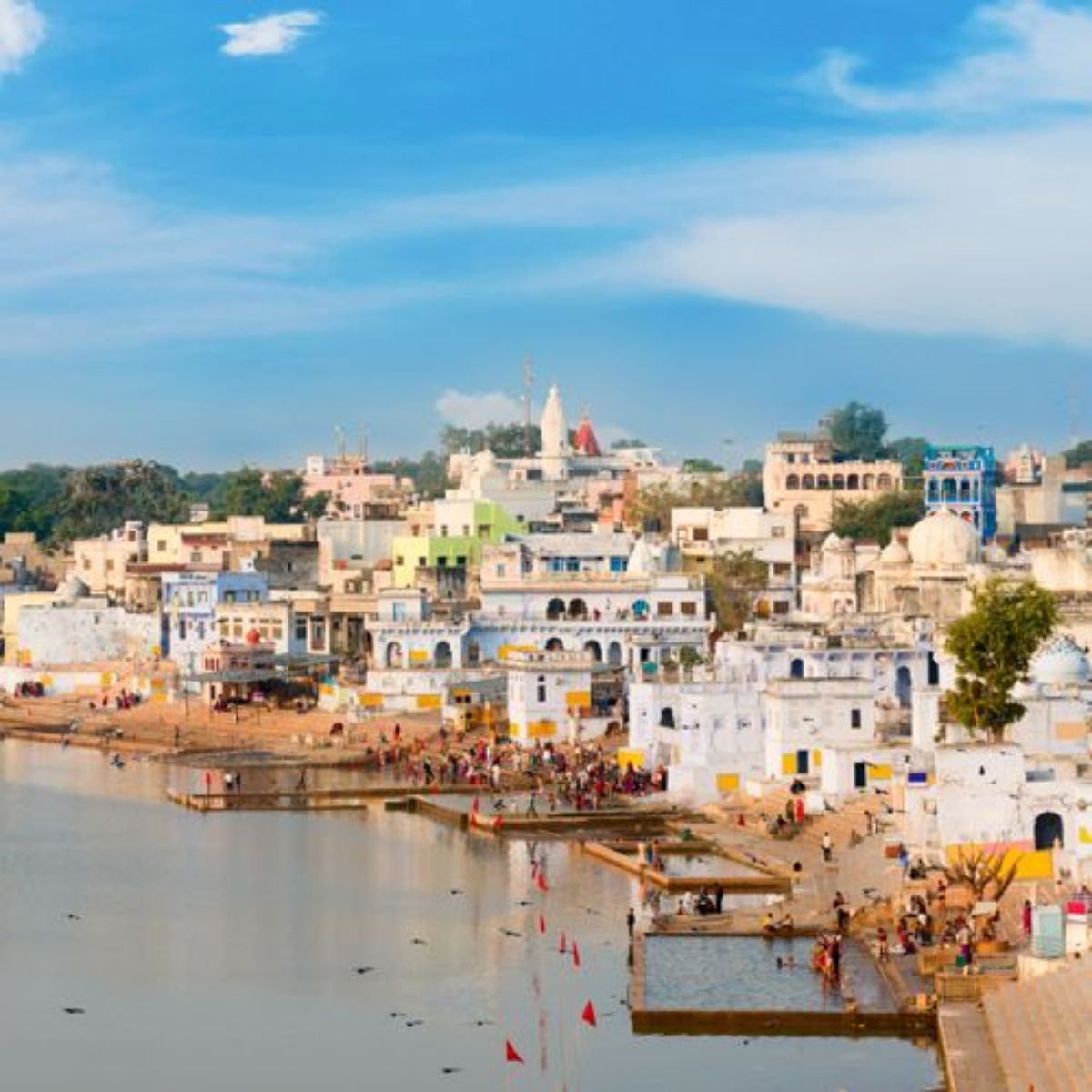
Travel like a Maharaja with our Luxury Rajasthan Tour Package. Stay in 5★ heritage palaces & luxury resorts, explore royal forts & palaces, and enjoy a premium Rajasthan experience with personalized services.

Explore the royal state of Rajasthan on a 7-day tour that covers the vibrant cities of Jaipur, Jodhpur, Jaisalmer, and Udaipur. From magnificent palaces and historic forts to cultural performances and camel rides...
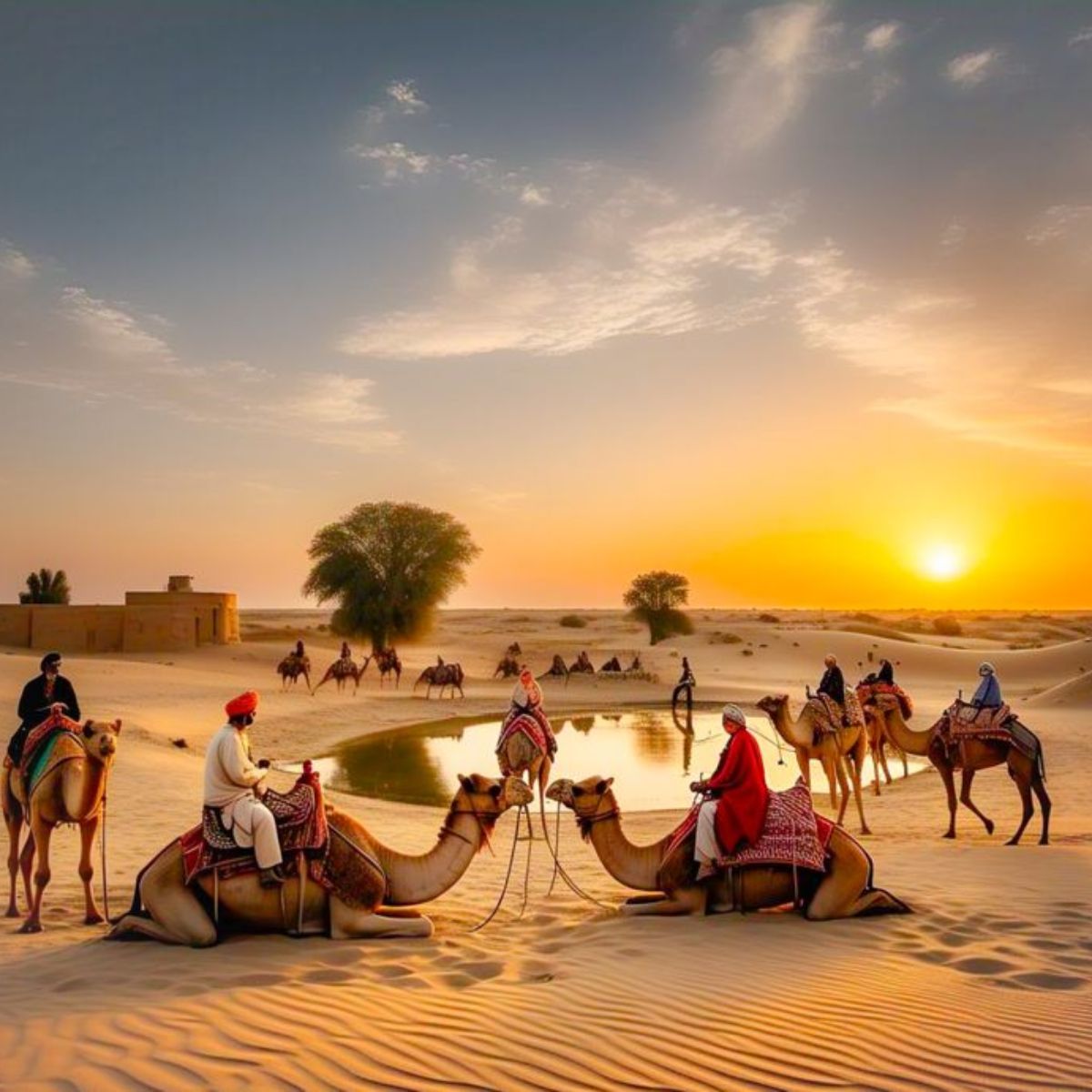
Discover the royal essence of Rajasthan with your group on this 7-day tour covering the cities of Jaipur, Jodhpur, Jaisalmer, and Udaipur. From exploring majestic forts to enjoying camel rides in the Thar...

Discover the golden beauty of Rajasthan with our Rajasthan Desert Safari Tour Package. Explore the forts of Jodhpur, ride camels across the golden dunes of Jaisalmer, enjoy folk music, and stay in luxury desert camps under...
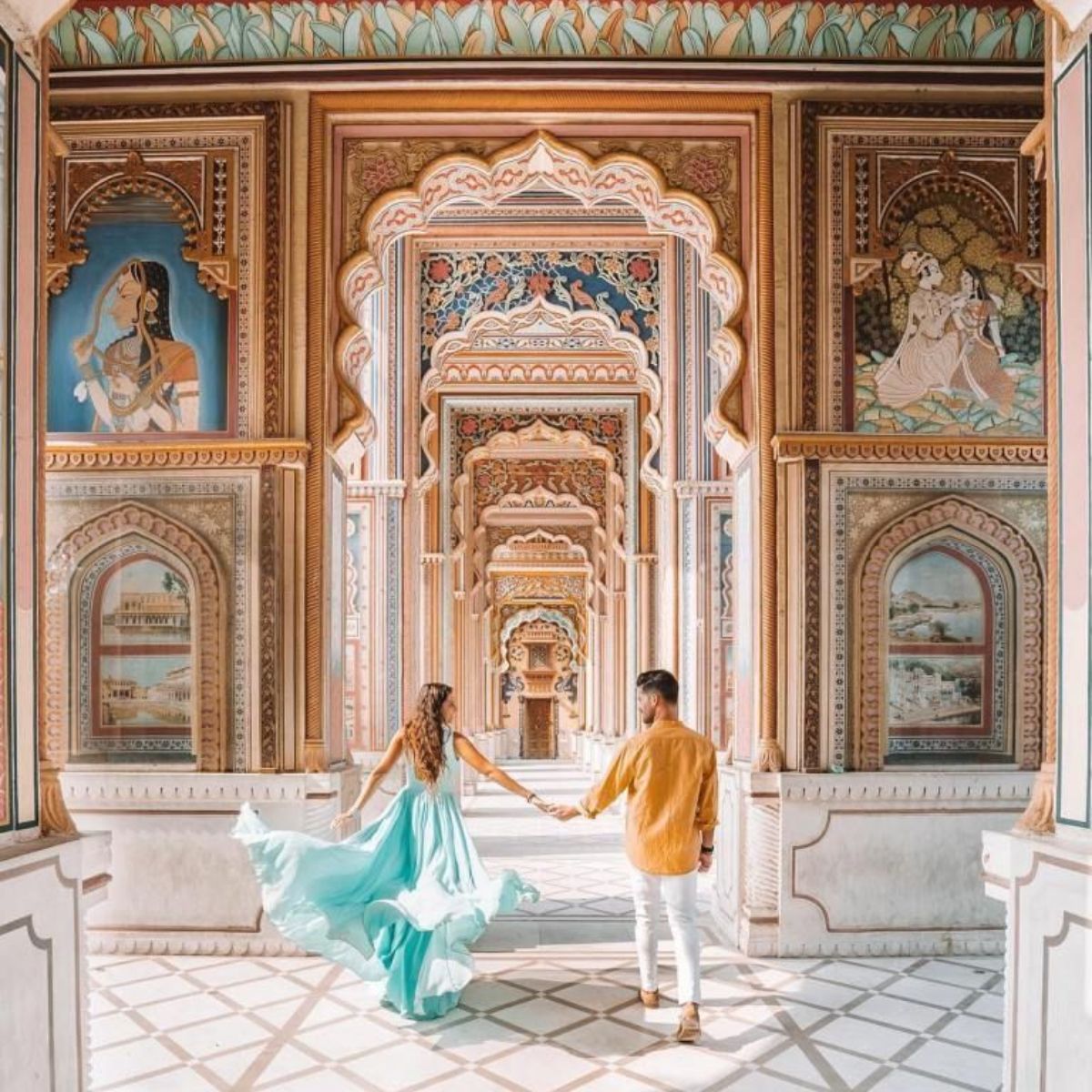
Celebrate your love in the royal land of Rajasthan with our specially crafted Rajasthan Honeymoon Tour Package. From romantic lakes of Udaipur to starry desert nights of Jaisalmer, and the royal heritage of Jaipur, this trip...
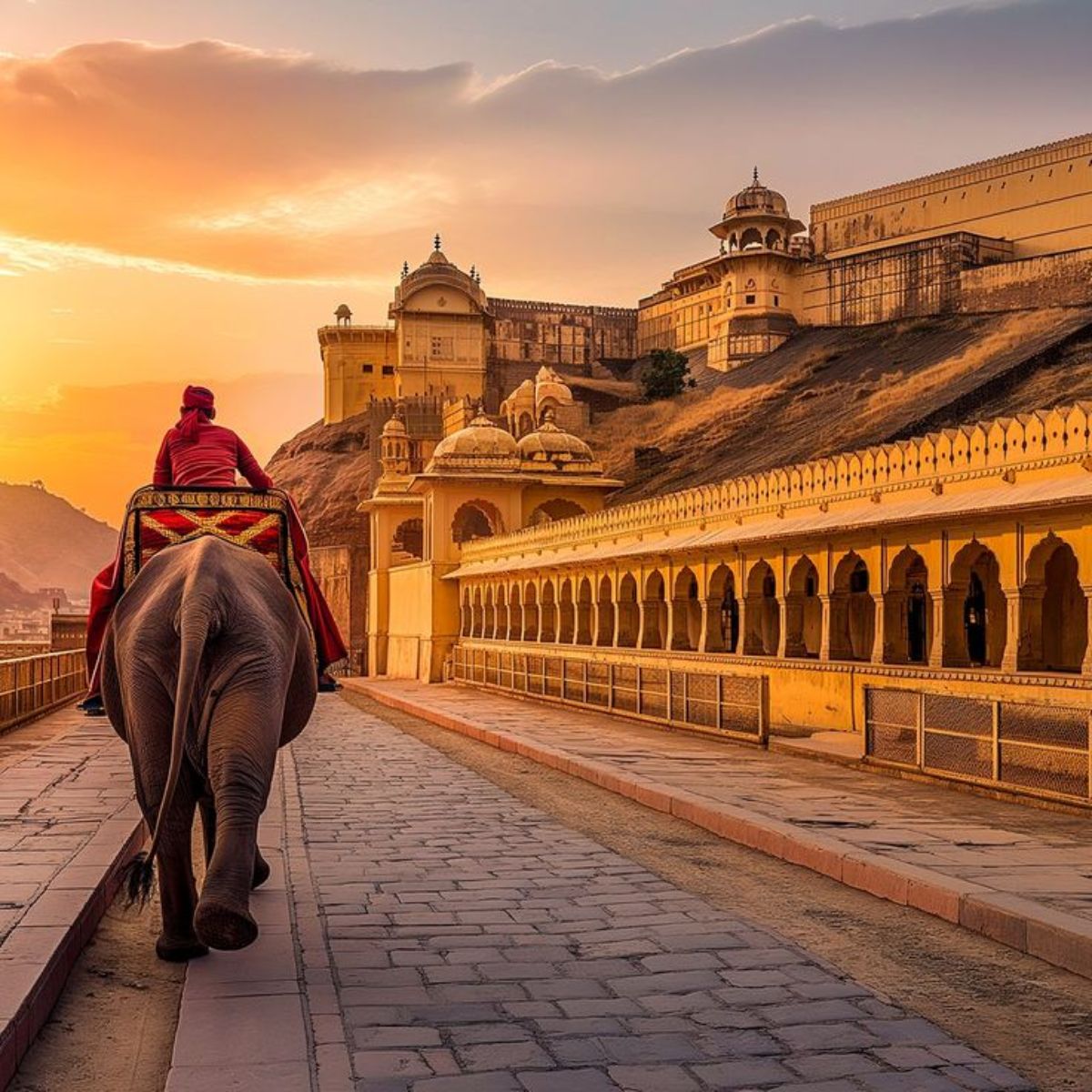
Experience the royal charm of Rajasthan with your family on this 5-day tour covering Jaipur, Jodhpur, and Jaisalmer. Explore historic forts, vibrant markets, and traditional Rajasthani culture while enjoying camel rides, cultural shows, and more....
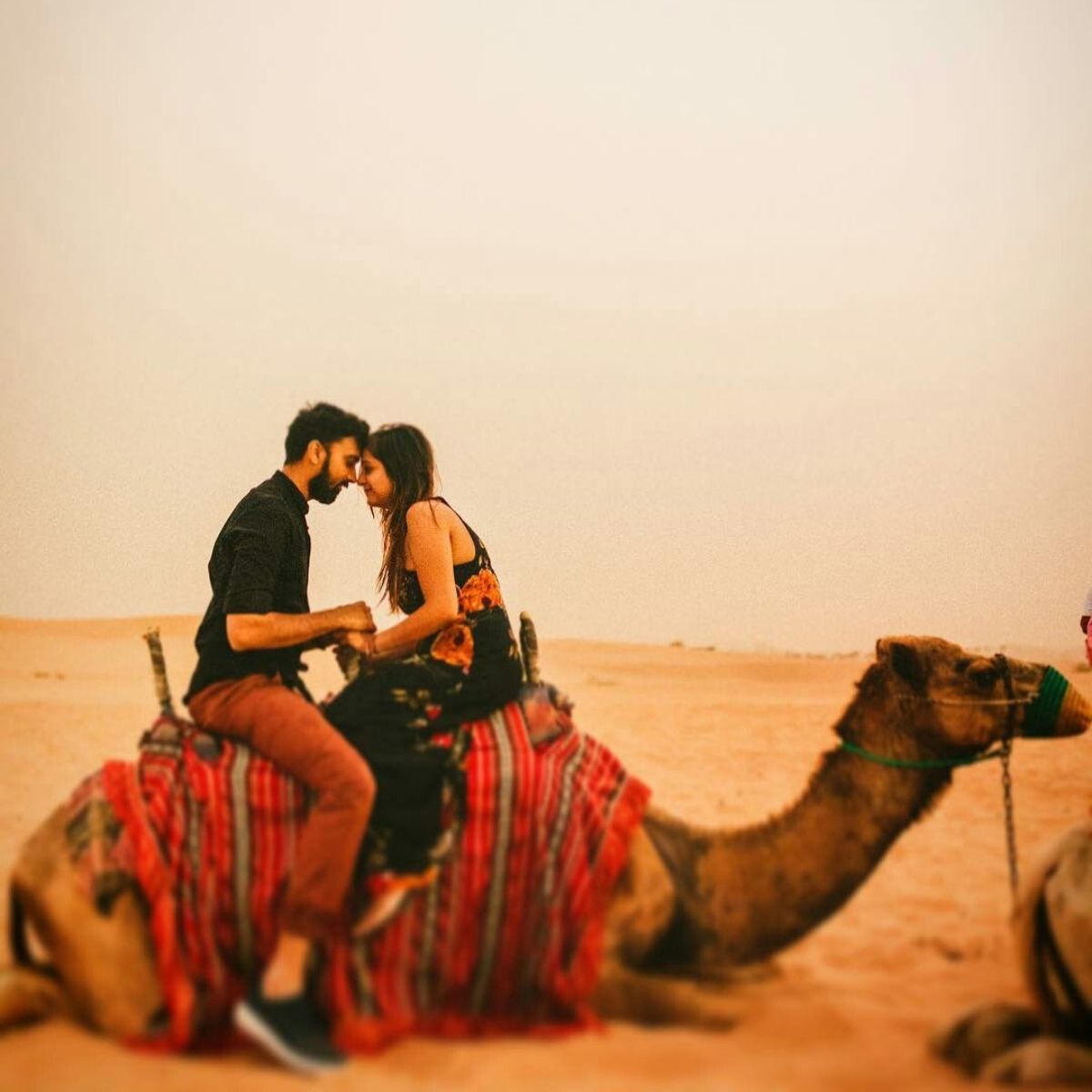
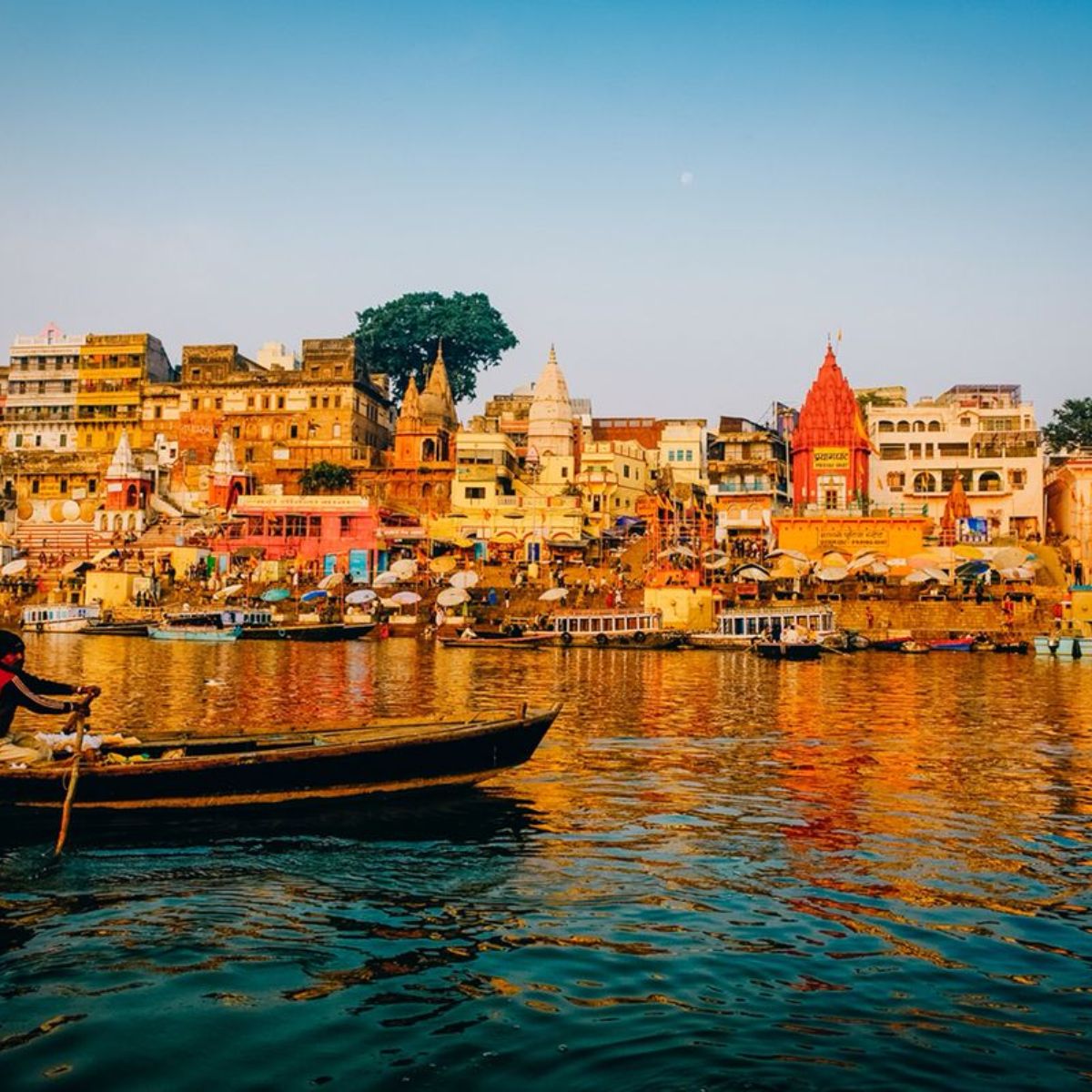
Experience the charm of lakes and hills with our Udaipur Mount Abu Tour Package. Udaipur, the “City of Lakes,” is famous for its royal palaces and serene lakes, while Mount Abu is Rajasthan’s only hill station,...
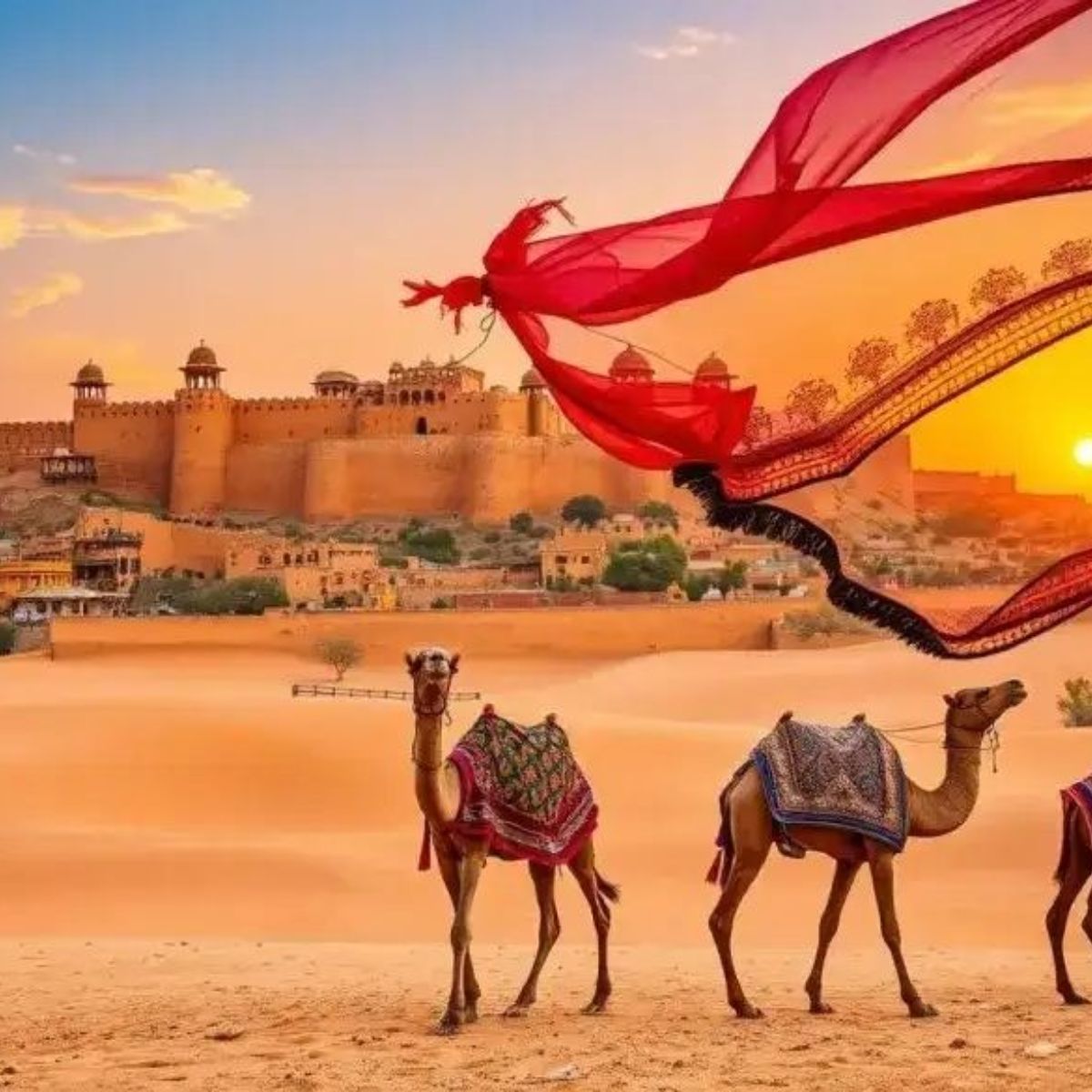
Feel the magic of the golden sands with our Jaisalmer Desert Safari Tour Package. Known as the “Golden City of Rajasthan,” Jaisalmer is famous for its yellow sandstone architecture, magnificent forts, havelis, and thrilling desert safaris....
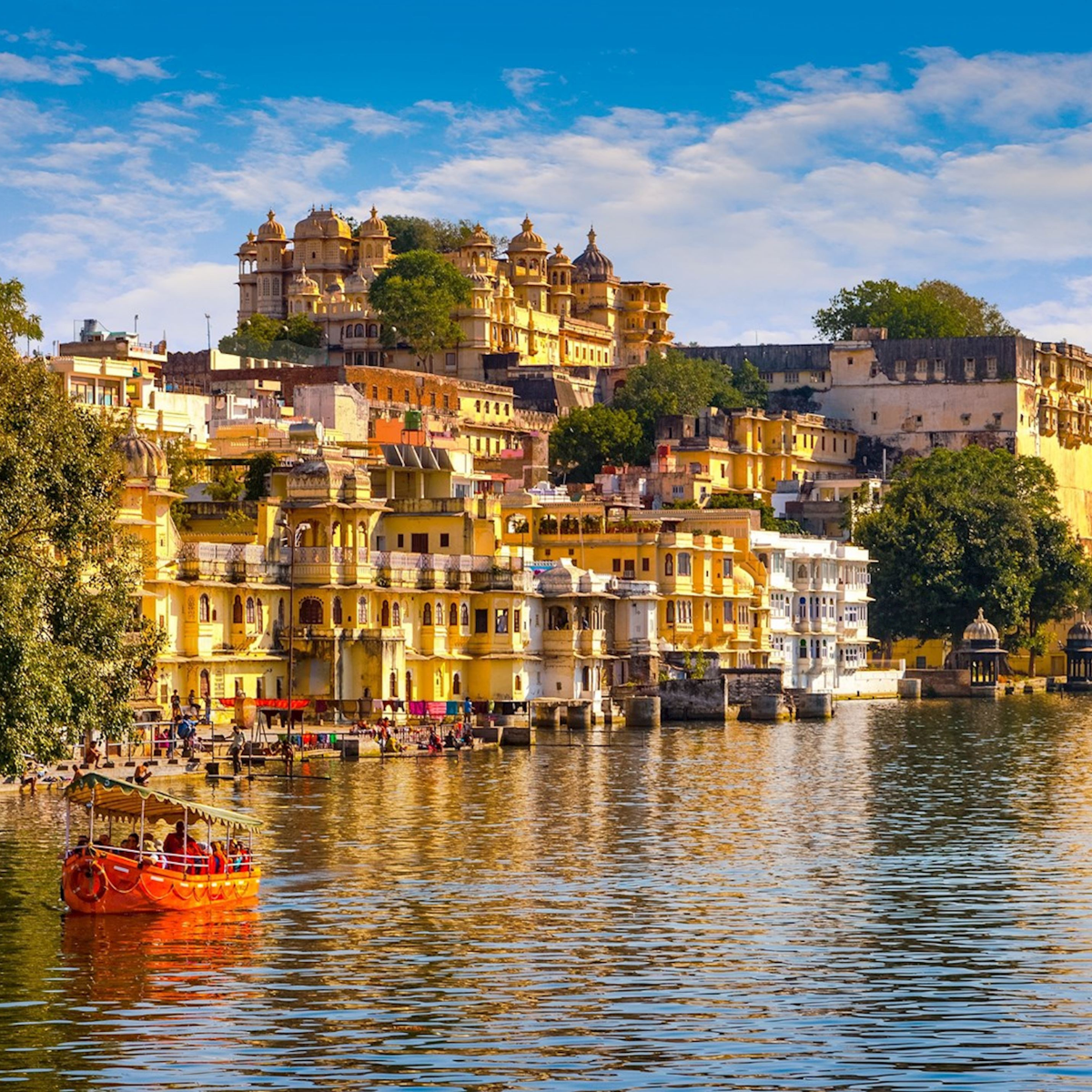
Known as the “City of Lakes”, Udaipur is one of the most romantic and royal destinations of Rajasthan. Surrounded by Aravalli Hills and dotted with beautiful lakes, grand palaces, and vibrant bazaars, Udaipur offers a perfect...
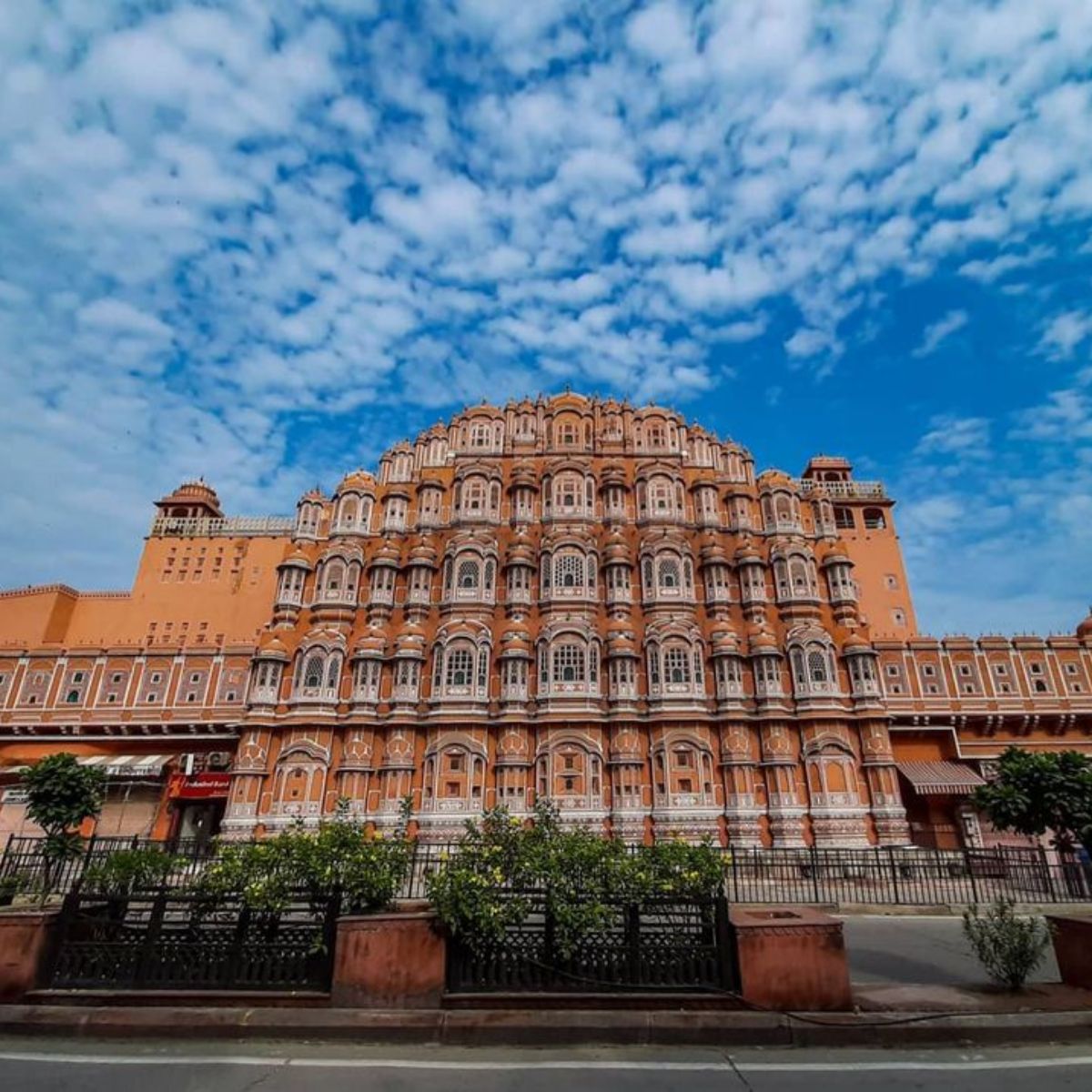
Experience the vibrant culture and rich heritage of Jaipur, the Pink City, on this 3-day tour. Discover iconic forts, royal palaces, bustling markets, and traditional Rajasthani cuisine as you explore the charm and grandeur of...
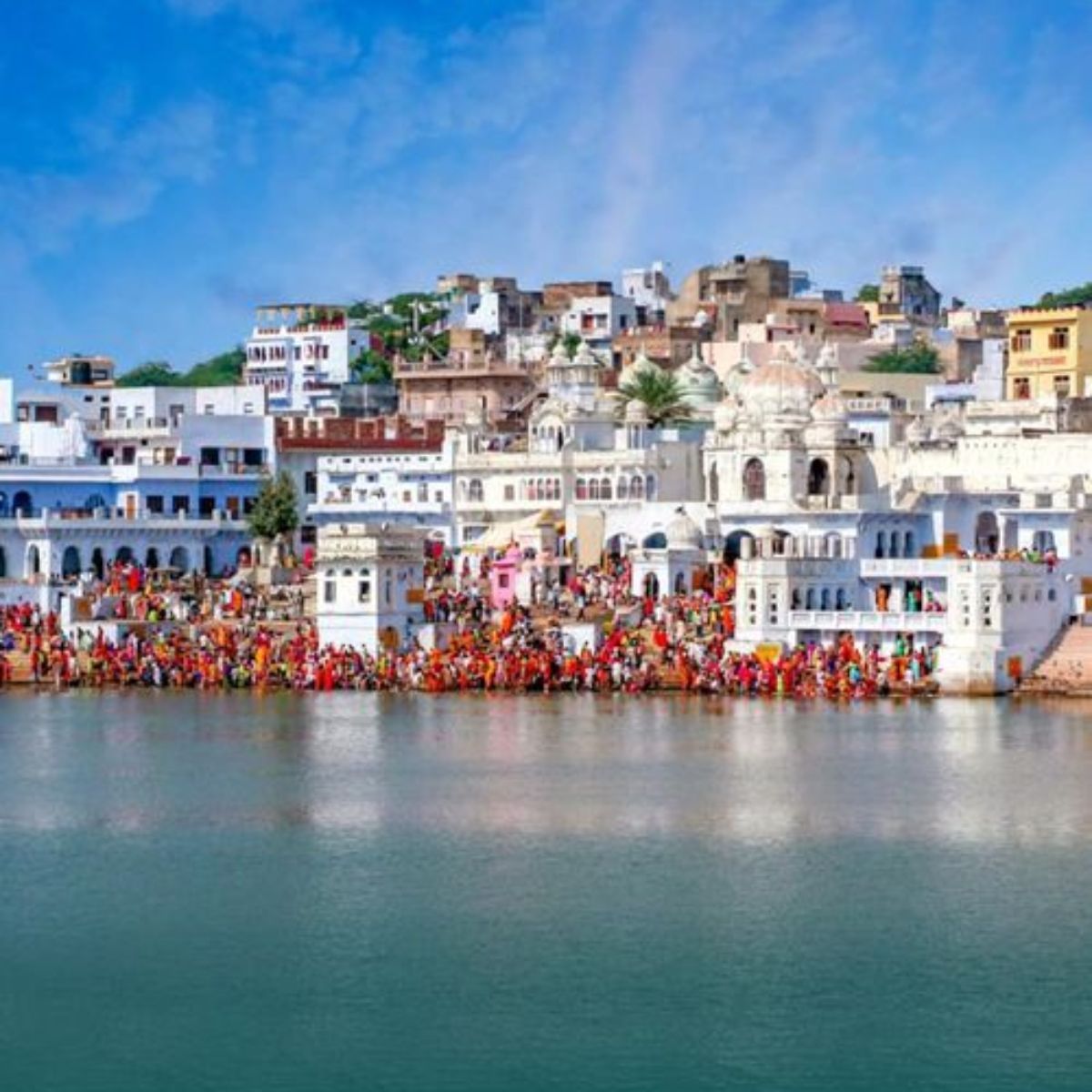
Discover the spiritual and cultural essence of Rajasthan with our Pushkar Ajmer Tour Package. Pushkar, famous for the world’s only Brahma Temple and the sacred Pushkar Lake, blends spirituality with vibrant markets and camel rides. Ajmer...
People Also Ask About Ranthambore Tour Packages
Ranthambore Travel Planning
What is the best time to visit Ranthambore? +
The best time to visit Ranthambore for wildlife experiences is generally from October to June. The park's seasonal opening and safari availability should be checked before planning your trip.
How many days are enough for a Ranthambore tour? +
A 2 to 3 day Ranthambore trip is suitable for enjoying wildlife safaris and exploring major attractions. A longer stay can provide more opportunities for safari experiences.
What is the cost of a Ranthambore tour package? +
The cost depends on the number of days, hotel category, safari bookings, transportation, number of safaris, and other inclusions in the package.
Can I customize my Ranthambore tour package? +
Yes, Ranthambore tour packages can be customized according to your preferred travel dates, hotel category, number of safari experiences, transportation, and trip duration.
Ranthambore National Park & Safari
What is Ranthambore National Park famous for? +
Ranthambore National Park is famous for its wildlife, especially Bengal tigers. The park also offers opportunities to see leopards, sloth bears, crocodiles, deer, birds, and other wildlife.
Is a jungle safari included in Ranthambore tour packages? +
Safari inclusion depends on the selected package. Jungle safari bookings can be added to the itinerary according to availability and applicable park regulations.
How many safaris should I take in Ranthambore? +
The number of safaris depends on your budget, trip duration, and wildlife interests. Taking multiple safaris can provide more opportunities to explore different areas of the park.
Can I see tigers during a Ranthambore safari? +
Ranthambore is well known for tiger sightings, but wildlife sightings are never guaranteed. A safari is a natural wildlife experience, so sightings depend on animal movement and other conditions.
What types of safari are available in Ranthambore? +
Ranthambore offers different safari options depending on park rules and availability. Travelers can choose suitable safari arrangements while booking their tour.
Hotels, Transport & Sightseeing
Are hotels included in Ranthambore tour packages? +
Yes, accommodation can be included according to the selected package. Travelers can choose suitable hotels or resorts based on their budget and preferred level of comfort.
Is transportation included in Ranthambore tour packages? +
Transportation depends on the selected package. Private cabs and transfers can be arranged for reaching Ranthambore and for local travel according to the itinerary.
Can I visit Ranthambore Fort during my trip? +
Yes, Ranthambore Fort can be included in the itinerary along with the wildlife experience. The historic fort is located within the Ranthambore landscape and is an important attraction in the area.
Family & Wildlife Holidays
Are Ranthambore tour packages suitable for families? +
Yes, Ranthambore can be a memorable family holiday destination for travelers interested in wildlife, nature, photography, and outdoor experiences.
Is Ranthambore good for a weekend trip? +
Yes, Ranthambore is suitable for a short weekend getaway. A 2 to 3 day itinerary can include safari experiences, comfortable accommodation, and visits to nearby attractions.
Booking & Travel Experience
What should I carry for a Ranthambore safari? +
Comfortable clothing, sunglasses, sunscreen, a hat or cap, water, and a camera or binoculars can be useful during a safari. Dress according to the season and follow safari guidelines.
How can I book a Ranthambore tour package? +
You can contact The World Travel with your preferred travel dates, number of travelers, hotel requirements, safari preferences, and trip duration to plan a suitable Ranthambore tour package.